When exploring the landscape of material handling, Over Head Cranes stand out. They play a vital role in warehouses and construction sites. Choosing the right crane is a crucial investment. Many factors can impact your decision.
Understanding the various types of Over Head Cranes is essential. Each type serves unique purposes and has specific strengths. A careful assessment of your needs will guide you. Some buyers might overlook the importance of weight capacity. Others may forget to consider the crane's operational environment.
The market is filled with choices. However, not every crane meets industry standards. Reliability should be a priority for buyers. Over Head Cranes must be safe and efficient. It’s important to research and consult experts before making a purchase. The right information can make a difference. Knowing which features to prioritize will enhance your decision-making process.
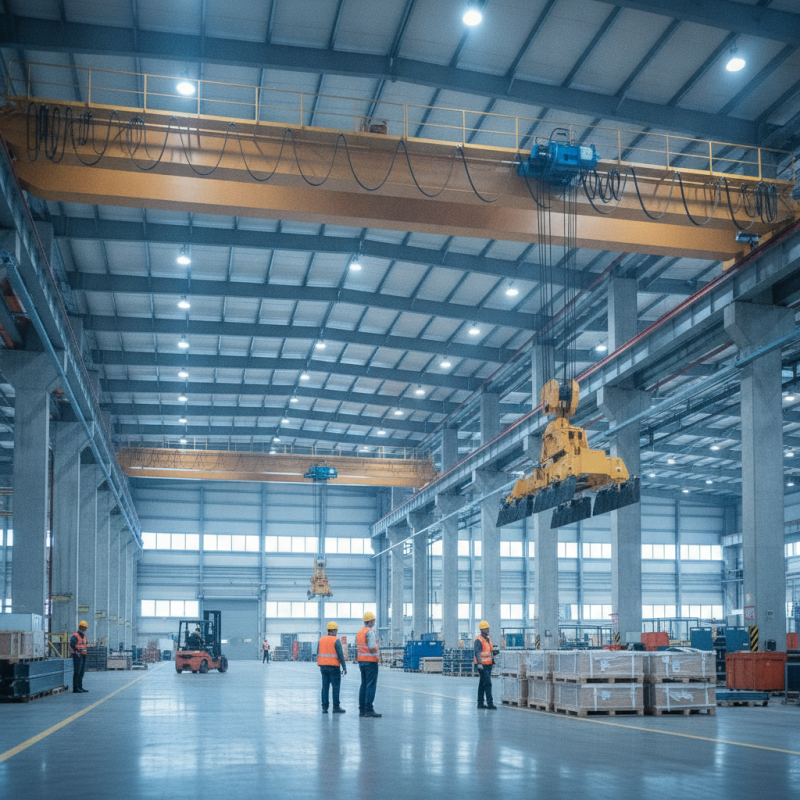
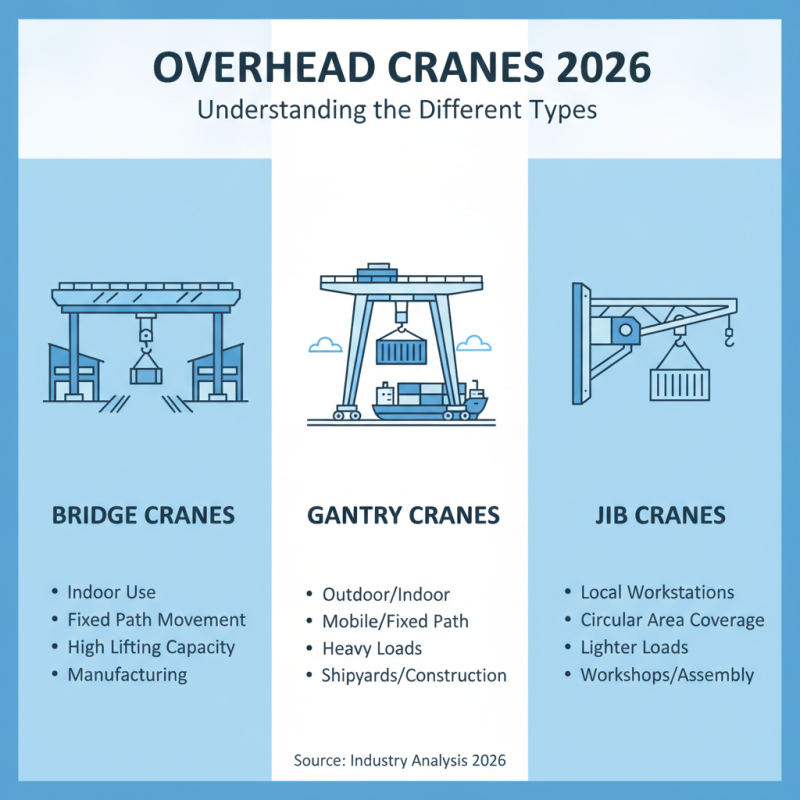
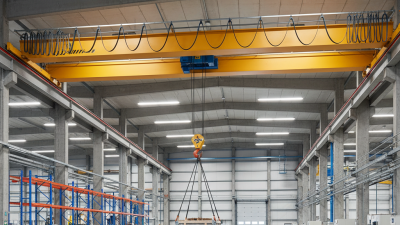
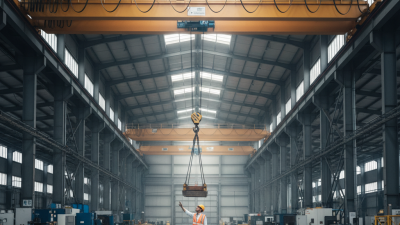
When considering the various types of overhead cranes available in 2026, it's crucial to understand their unique functions and specifications. Overhead cranes generally fall into several categories, including bridge cranes, gantry cranes, and jib cranes. Bridge cranes are ideal for indoor use, moving materials along a fixed path. They often feature a high lifting capacity and are useful in manufacturing facilities.
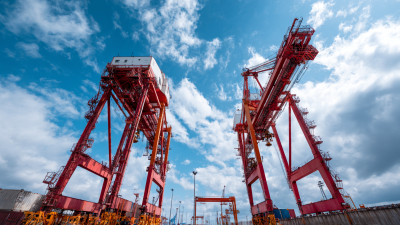
Gantry cranes, on the other hand, can be used both indoors and outdoors. This type is noted for its versatility, as it can move on wheels or a fixed track. Many industries find gantry cranes essential due to their adaptability. However, they require ample space for operation, which may limit their use in crowded areas.
Jib cranes are designed for specific tasks and are commonly mounted on walls or columns. These cranes excel at lifting loads that need to be moved in tight areas. Despite their usefulness, they have a lower lifting capacity compared to other types. It's essential to evaluate the specific needs of your operations to choose the appropriate crane type. Don't overlook the importance of regular maintenance, as it can significantly prolong the lifespan of your crane while ensuring optimal performance.
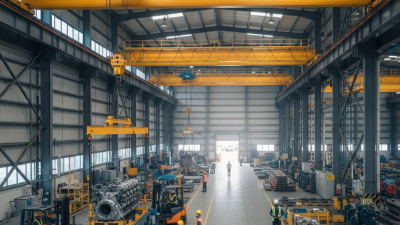
Choosing the right overhead crane requires careful consideration of several key factors.
Safety should always come first. According to a report by the Occupational Safety and Health Administration (OSHA), improper crane operation accounts for about 45% of crane-related incidents. Implementing safety features such as limit switches and emergency stops can significantly reduce risks.
Load capacity is another critical factor. Overhead cranes come in various sizes, designed for heavy and light loads. Research suggests that selecting the appropriate capacity can prevent overload situations, which might lead to equipment failure or accidents. It's wise to evaluate your load requirements based on future projects as well.
Environmental conditions matter too. Cranes exposed to harsh conditions may need additional protective features. Equipment failures because of inadequate weatherproofing can incur substantial costs. Regular maintenance is essential. Industry studies indicate that regular inspections can extend the crane's lifespan by over 20%. The right choice is informed and strategic, balancing immediate needs with long-term reliability.
When assessing overhead cranes for your facility, load capacity is critical. This parameter dictates how much weight the crane can handle. Calculate the heaviest load you expect to lift. This helps determine the crane type and specifications. Always consider factors like load distribution and dynamic forces during lifting. Many forget to account for these elements. This oversight can lead to unsafe conditions.
Span requirements are equally important. The span is the distance between the support beams. If spans are too short, your operation may face limitations. Your choice of crane should accommodate the workspace effectively. Measure your facility's width and height accurately. Be mindful of potential obstacles in the area. Failures in planning here can cause costly delays and safety risks.
Remember to evaluate both factors concurrently. Balancing load capacity with span can be challenging. Seek input from experts if needed. Developing a clear understanding of your unique needs will lead to better decisions. The right crane enhances efficiency and safety. Ensure you consider all aspects before purchasing. This reflection can save you headaches in the long run.
Safety features in overhead cranes are vital for protecting workers and ensuring operational efficiency. According to a 2022 industry report, nearly 60% of crane-related accidents result from equipment failure or human error. Compliance with safety standards, such as those set by OSHA and ASME, is crucial for minimizing these risks. Overhead cranes should be designed with features like emergency stop buttons, overload protection, and fail-safe mechanisms. Companies that prioritize safety often see a reduction in accidents by up to 30%.
Effective training programs for operators are equally important. The same report indicates that regular training can significantly lower incident rates. However, many operators receive inadequate training, which leads to mistakes. Incorporating simulation-based training can bridge this gap, providing operators with hands-on experience in a safe environment. Ensuring that all operators understand safety protocols contributes to a safer workplace.
Evaluating compliance is not a one-time task. Frequent audits and inspections are needed to maintain high standards. Many facilities fall short of conducting these checks regularly. The importance of documenting compliance is indispensable for both safety and legal purposes. A proactive approach can create a culture of safety, reducing liability and improving worker confidence.
Maintenance is crucial for overhead cranes. Regular check-ups ensure seamless performance. A minor issue can escalate quickly. Preventative maintenance avoids costly downtime. Scheduled inspections should focus on wear and tear. Check for rust, frayed cables, and hydraulic fluid levels.
Support options are essential. Knowledgeable technicians can identify potential problems early. Choose service providers with a solid reputation. They should offer timely assistance and effective solutions. Training employees on basic operational practices enhances safety. An informed team reduces risks of accidents and boosts productivity.
Long-term crane performance depends on adaptability. As technology evolves, equipment may require upgrades. Regular maintenance often reveals areas needing improvement. Embrace the challenges of keeping equipment in top shape. These reflections can lead to better operational strategies and outcomes.
| Cranes Type | Max Load Capacity (tons) | Span (meters) | Maintenance Frequency (months) | Support Type |
|---|---|---|---|---|
| Single Girder Bridge Crane | 5 | 10 | 12 | Remote and On-site |
| Double Girder Bridge Crane | 10 | 15 | 6 | On-site only |
| Jib Crane | 2 | 5 | 12 | Remote and On-site |
| Gantry Crane | 20 | 20 | 8 | On-site and Online |
| Overhead Crane | 15 | 12 | 10 | Remote support |