2026 Top Indoor Crane Models and Their Applications?
Indoor cranes are essential for various industries. These machines enhance efficiency and safety in tight spaces. In 2026, the market will showcase diverse indoor crane models.
Choosing the right indoor crane can be challenging. Factors like load capacity, height, and maneuverability matter significantly. Different models serve specific applications, from warehouses to construction sites. Some cranes are designed for heavy lifting, while others excel in precision.
As advancements continue, the technology behind indoor cranes evolves. Operators must stay informed about new features and safety protocols. Not every indoor crane suits every task. Reflecting on needs can lead to better decisions and improved productivity.
Overview of Indoor Crane Models Popular in 2026
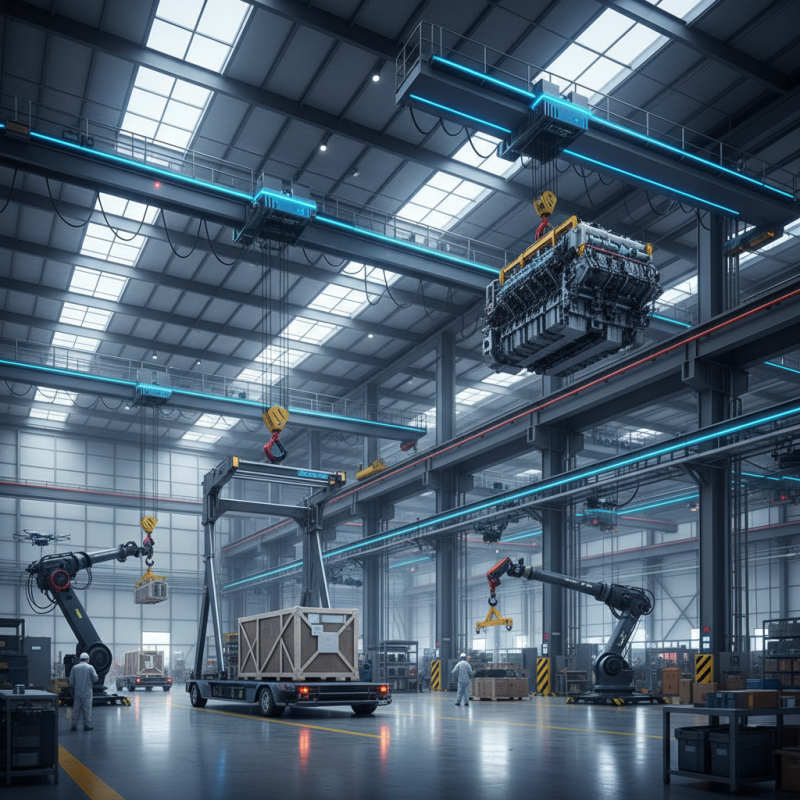
In 2026, various indoor crane models cater to diverse industrial applications. These cranes enhance efficiency and boost productivity in warehouses, manufacturing facilities, and construction sites. Some popular models include overhead cranes, gantry cranes, and jib cranes. Each type carries unique advantages, suited for specific tasks.
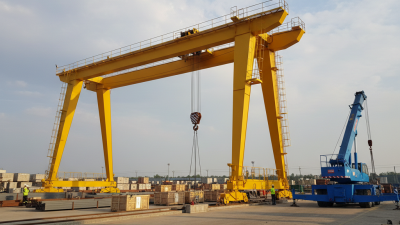
Overhead cranes are often found in production lines. They can move heavy loads smoothly across large areas. Gantry cranes, meanwhile, are versatile and can be used both indoors and outdoors. They often serve in shipping and manufacturing settings. Jib cranes, on the other hand, provide high maneuverability, perfect for small spaces.
However, the choice of a crane often requires careful consideration. Each model has limitations that may not fit every operation. For instance, overhead cranes require suitable support structures, which may not be available in all facilities. Jib cranes can struggle with weight limits, impacting workflow. Users must continuously analyze their needs and expectations to make the right choice. Continuous reflection on these factors leads to better operational decisions.
Key Features and Innovations in 2026 Indoor Cranes
In 2026, indoor cranes will showcase several key features and innovations. Enhanced precision control is a standout element. Operators will appreciate improved steering systems that allow for meticulous movements in tight spaces. This capability is crucial for complex projects where precision matters. The integration of smart technology will further elevate performance. Real-time data monitoring will assist operators in decision-making.
Safety remains a top priority. New designs will include advanced sensors to detect obstacles. These sensors can prevent accidents and protect workers. Additionally, user-friendly interfaces will make training effortless. However, reliance on technology can pose challenges. What if the systems fail unexpectedly? Users must always be prepared for such scenarios.
Another significant trend is sustainability. Energy-efficient motors and recyclable materials will be common in new models. This shift reflects a growing awareness of environmental responsibility. Although these advancements are promising, questions about long-term durability need to be addressed. Are these innovations built to last? Balancing innovation with reliability is crucial.
Applications of Indoor Cranes Across Various Industries
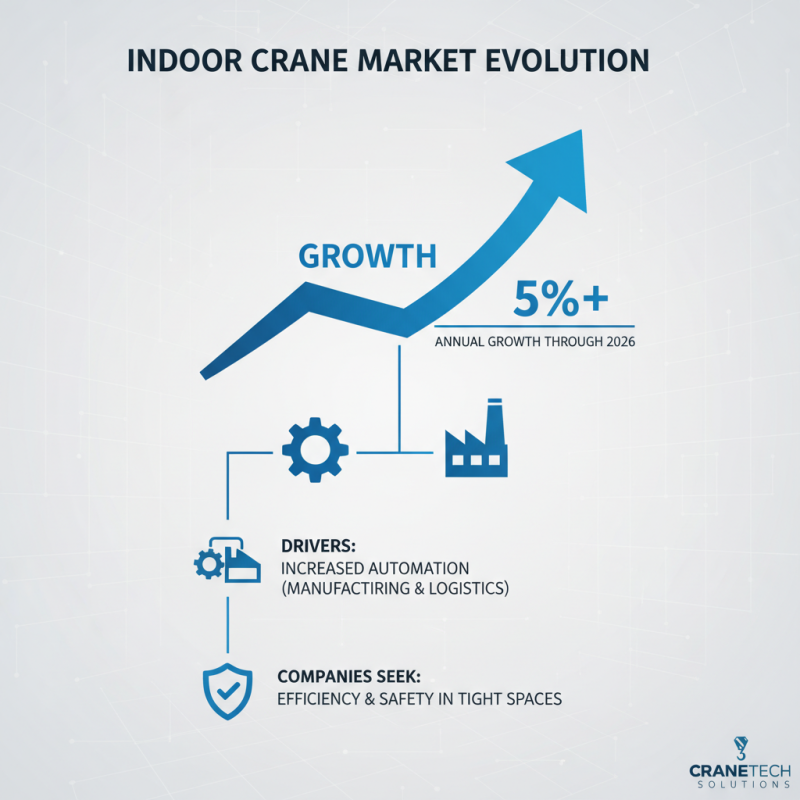
Indoor cranes have become integral in various industries. They improve efficiency, especially in manufacturing and warehousing. According to a recent market report, the global indoor crane market is expected to grow by 5.2% annually through 2026. This reflects a rising demand for automated solutions.
In manufacturing, indoor cranes enable the movement of heavy materials. This helps streamline production lines. In the automotive sector, cranes simplify the assembly process. They ensure safety and reduce labor costs. In logistics, these cranes enhance storage management. They allow for quick retrieval and organization of goods.
Tip: Regular maintenance of indoor cranes is necessary. It prevents sudden breakdowns and extends equipment life. Always check load limits to avoid accidents.
In construction and aerospace, indoor cranes support heavy lifting. However, some facilities face challenges with space constraints. They must carefully plan crane placement for optimal use. This planning can be complex but is crucial for maximizing efficiency. Proper training for operators is essential to ensure safe operation.
Tip: Encourage operator feedback to identify any issues. Creating a culture of safety improves performance and trust.
2026 Indoor Crane Applications Across Various Industries