2026 Top Trends in Girder Crane Innovation and Technology?
The world of industrial lifting is evolving rapidly. Girder cranes play a vital role in this transformation. As we look toward 2026, several trends stand out. These innovations promise to enhance efficiency, safety, and sustainability in operations.
New technologies are redefining how girder cranes operate. Developments in automation and smart systems are becoming the norm. They reduce human error and improve load handling. Additionally, innovations in materials are making cranes lighter yet more robust. This shift not only increases lifting capacity but also enhances mobility within tight spaces.
However, not all advancements come without challenges. Adapting to new technology requires training and investment. There is also a need to balance modern features with traditional reliability. Companies must reflect on these aspects to fully harness the potential that these trends in girder crane technology offer. As we navigate these changes, awareness of both benefits and pitfalls will be essential.
Future Innovations in Girder Crane Design and Engineering
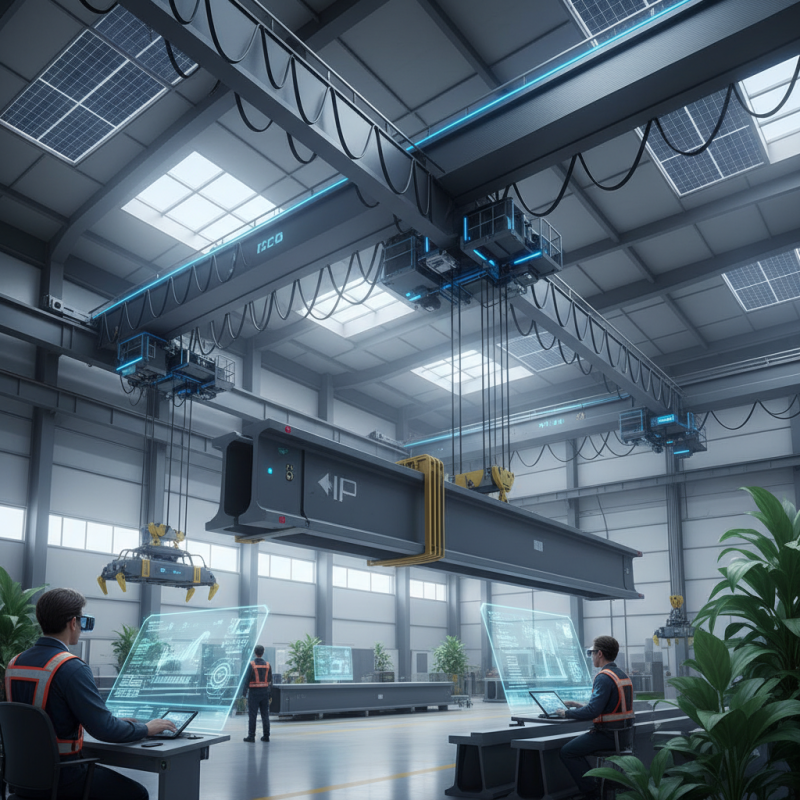
The future of girder crane design and engineering is poised for remarkable innovations. In 2026, we may see advanced materials enhancing durability and performance. Carbon fiber and lightweight alloys can lead to significant weight reductions. This shift could improve load capacities without sacrificing stability. New designs will incorporate dynamic load monitoring systems, allowing for real-time adjustments.
Moreover, automation is on the horizon. Integrating AI and machine learning could optimize crane operations. These technologies can analyze data to predict maintenance needs. This proactive approach will reduce downtime and increase efficiency. However, embracing these advancements poses challenges. Training operators to work alongside technology is crucial for success.
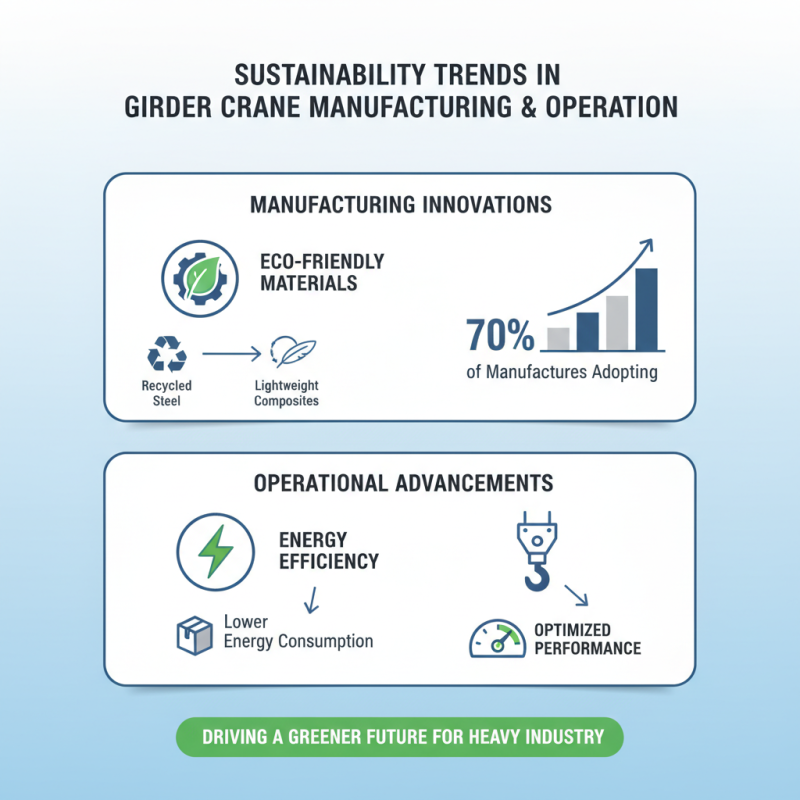
Sustainability will also play a vital role. There is pressure to develop eco-friendly cranes that consume less energy. Innovations in power systems, like hybrid or fully electric models, could emerge. However, the transition may draw criticism related to costs and availability. These evolving aspects underscore the need for continuous dialogue in the industry.
Advancements in Automation and Smart Technologies for Cranes
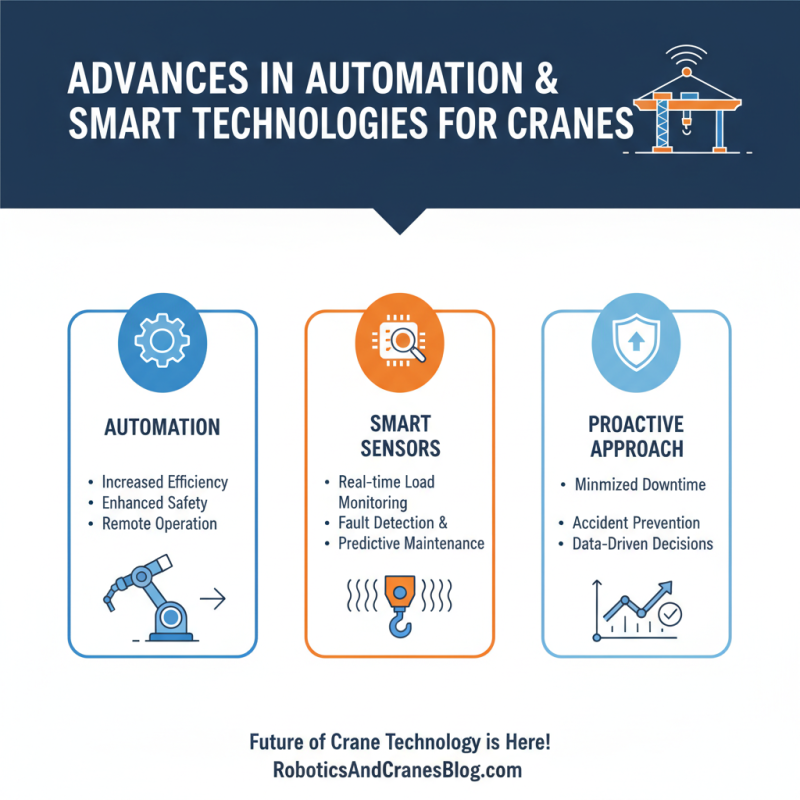
The landscape of crane technology is changing rapidly. Automation is at the forefront, enhancing efficiency and safety. Smart sensors are becoming common in bridge cranes. These sensors monitor loads and detect faults in real time. This proactive approach minimizes downtime and prevents accidents.
Artificial intelligence is making cranes smarter. AI algorithms analyze operational data, optimizing lift cycles. They adapt to changing conditions, improving performance. Remote monitoring systems are also gaining traction. Operators can supervise multiple cranes from one location. Yet, the technology comes with challenges. High initial costs may deter adoption. Training staff to use these advanced systems is necessary.
Ligating automation with human expertise remains crucial. While technology can reduce risks, humans must understand its limits. Dependence on machines can lead to complacency. Regular training and evaluations are vital to maintain balance. The future of crane innovation relies on this synergy.
Integration of IoT and Data Analytics in Crane Performance Monitoring
The integration of IoT and data analytics is redefining crane performance monitoring.
Real-time data collection is transforming traditional crane operations. Sensors embedded in cranes gather crucial insights, from load weight
to operational speed. This information connects seamlessly to management systems, enabling immediate analysis. Operators can monitor
equipment health continuously, preventing potential failures.
Crane performance can be evaluated through predictive analytics. By assessing historical data,
trends in operation can emerge. Patterns of wear and tear become apparent, allowing for proactive maintenance schedules.
However, not all companies are equipped to use this technology effectively. Some may struggle with data integration,
impeding progress. Other firms may lack the expertise required to interpret complex analytics.
While IoT applications enhance safety and efficiency, challenges remain. Implementation costs can be barriers for smaller businesses.
Moreover, cybersecurity threats in connected systems must be addressed.
There's a necessity to balance innovation with security. As the industry evolves, understanding these dynamics will be essential for success.
Embracing these technologies is crucial, but navigating their complexities requires ongoing reflection and adjustment.
Safety Enhancements through Technology in Girder Crane Operations
In 2026, the emphasis on safety in girder crane operations has shifted dramatically. Innovative technologies are transforming how cranes function. Advanced sensors are now integrated into these systems. They can detect potential hazards in real-time, alerting operators immediately. This ability reduces the risk of accidents significantly and enhances overall safety.
Additionally, automated safety protocols are gaining traction. These systems can stop operation if they identify a problem. Operators may find this feature reassuring, but it requires trust in technology. Not all workers may feel comfortable relying solely on automated systems. Training remains a crucial aspect. Employees must understand how to manage these advanced tools effectively.
There is still a long way to go in fully embedding these technologies. Some have raised concerns about the reliability of sensors under extreme conditions. The industry must address these doubts. Regular audits and updates can help maintain trust and reliability. As technology evolves, the need for human oversight will remain essential. Balancing automation and human judgment will be key for the future of girder crane safety.
2026 Top Trends in Girder Crane Innovation and Technology
This chart illustrates the predicted advancements in safety enhancements through technology in girder crane operations for the year 2026. The data reflects the percentage of companies investing in various safety technologies.