How to Choose the Best Over Head Cranes for Your Needs?
Choosing the right overhead crane is crucial for efficiency in various industries. According to a report from the American Crane and Hoist Manufacturers Association (ACHM), overhead cranes account for over 40% of material handling systems used in manufacturing. Expert John Smith, a well-known figure in the overhead crane sector, emphasizes, "Selecting the right overhead crane can dramatically improve productivity and safety."
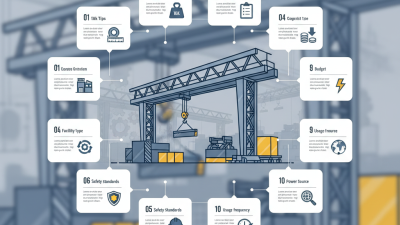
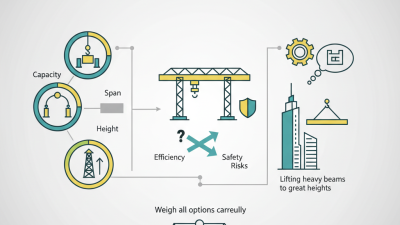
Overhead cranes come in different types and specifications. Factors such as load capacity, span, and lifting height greatly influence the selection process. Essential considerations also include the operational environment and the typical materials being handled. Many buyers overlook these crucial elements, which can lead to inefficiencies and increased costs.
When making a decision, it's vital to assess both current and future needs. Some users may realize that their initial choice does not accommodate growth or changes in operation. A thoughtful selection process can minimize regret and optimize performance. In an industry with continuous innovation, staying informed is key.
Understanding Different Types of Overhead Cranes Available in the Market
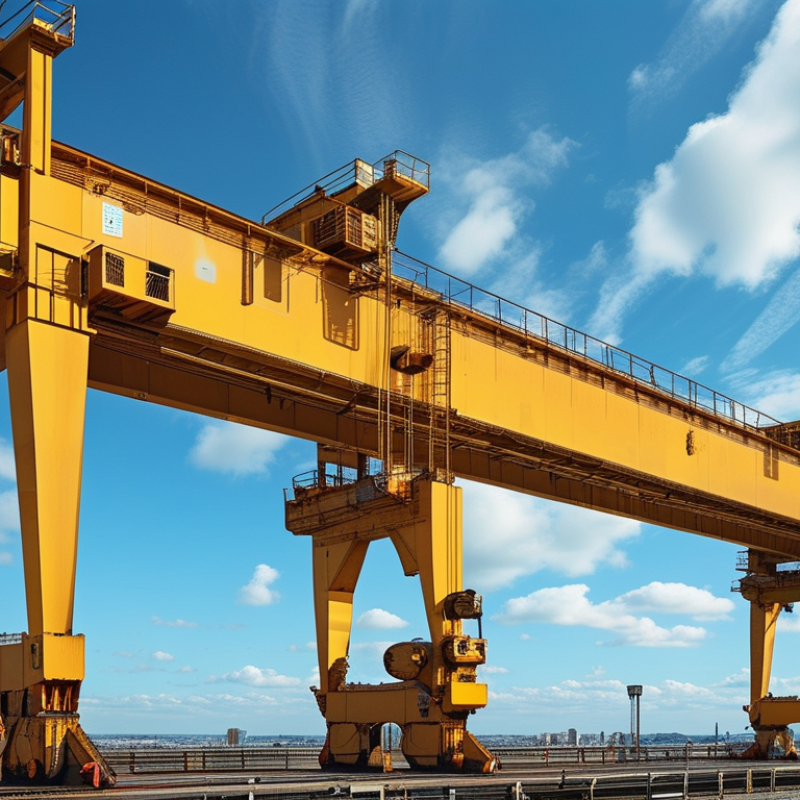
When choosing the best overhead crane, it's crucial to understand the different types available. Overhead cranes come in various designs, tailored for specific applications. Common types include bridge cranes, gantry cranes, and jib cranes. Each type serves unique functions, making it essential to know your requirements.
Tips: Assess your lifting capacity first. Determine the heaviest load you'll need to lift regularly. This will help narrow down your options. Consider the available space too. Compact designs might work best for smaller work areas. Don’t overlook the environment where you will operate the crane, as factors like humidity and temperature can affect performance.
Another element to reflect on is the crane's ease of use. User-friendly controls can enhance safety and efficiency. Training your staff on the selected type is necessary. A poorly maintained or misused crane can lead to accidents. Regular inspections and maintenance keep the crane operating safely.
Remember, it’s about balancing functionality and safety. Evaluating all factors can lead to better decision-making. Emotionally invest in selecting wisely; mistakes can be costly.
Assessing Your Load Requirements and Capacity Needs for Cranes
When selecting an overhead crane, assessing your load requirements and capacity needs is crucial. Begin by determining the maximum weight you expect to lift. This figure will guide your choice of crane model. It’s not just about the total weight; consider dynamic loads as well. Heavy loads in motion can exert additional forces. Ensure your crane can handle these safely.
Next, evaluate the load dimensions. Length, width, and height matter. If you're lifting large, bulky items, a crane with an appropriate bridge design will be necessary. A wider wheelbase can enhance stability, reducing the risk of tipping.
Consider frequency of use too. If you plan to operate the crane regularly, investing in a higher capacity model may save you from future safety issues. It’s worth reflecting on past experiences with lifting equipment. Have there been unforeseen failures? Each incident can provide valuable lessons. Understanding these elements empowers you to make an informed decision tailored to your operational needs.
Evaluating Space and Installation Considerations for Overhead Cranes
When evaluating space and installation considerations for overhead cranes, a detailed analysis is crucial. Industry reports indicate that over 60% of crane-related incidents are linked to improper installation. This highlights the importance of understanding your facility's layout before making a decision. The height and width of the workspace can significantly affect crane choices. Additionally, the availability of overhead structures to support the crane is essential.
Consideration of load capacity is also important. Cranes must be compatible with the materials they will handle. Reports suggest that incorrect load assessments lead to inefficiencies. A crane's travel path should be free from obstructions. This ensures smooth operation and reduces wear and tear. Think about the frequency of use as well. If the crane is intended for heavy daily operation, it demands a more robust installation.
Lighting and environmental factors should not be overlooked. Poor lighting can hinder safe operation. On average, well-lit facilities report 30% fewer accidents. Adequate ventilation is another critical factor, especially for areas with high dust or fumes. These aspects are often neglected in initial evaluations. Taking the time to assess space requirements thoroughly can prevent major headaches later. Ignoring these details might lead to costly repairs and downtime. Observing industry standards and guidelines can enhance safety and efficiency during installation.
Examining Safety Features and Compliance Standards for Crane Selection
When selecting an overhead crane, safety features are paramount. You must ensure that the crane complies with industry regulations. Look for devices like overload protection systems and emergency stop controls. These features safeguard both the operator and the load, thus minimizing accident risks. Regular audits of safety compliance can enhance the effectiveness of these features.
Evaluate the crane's design and construction materials. Steel constructions typically offer better durability and stability. Furthermore, check if the crane is equipped with proper safety signage. Clear labels help operators identify hazards and handle equipment wisely. Remember that a well-constructed crane can still fail if not regularly maintained.
Understanding the weight limits is crucial. Don't exceed the recommended capacity, as it compromises safety. Consider how the crane fits into your workflow. Reflect on training needs for operators to ensure they comprehend safety protocols. The choices you make should focus on protecting lives and maintaining high operational standards.
Considering Budget and Maintenance Costs When Choosing Overhead Cranes
When selecting an overhead crane, it's vital to understand budget constraints. High-quality cranes can come with significant upfront costs. However, cheaper options may lead to frequent breakdowns, driving up your total cost. Consider the long-term investment rather than just the initial price. A reliable crane can save you money over time.
Maintenance costs also play a crucial role. Regular inspections and repairs are essential for safe operation. Some cranes require specialized parts and services that can be costly. Evaluate the availability of local technicians and the price of spare parts. This can impact your choice. An efficient machine may have slightly higher maintenance costs but offer better performance and safety.
Choosing the right crane is a balancing act between budget and reliability. Take your time to analyze all factors. It's important to reflect on past experiences and gather input from various sources. These insights can lead to more informed decisions. Your choice should align with your operational needs and financial capabilities.