How to Choose the Right Ceiling Crane for Your Warehouse Needs?
Choosing the right ceiling crane for your warehouse needs can significantly impact efficiency. Industry reports indicate that optimized lifting solutions can improve workflow by up to 35%. A ceiling crane is a key investment in any material handling operation.
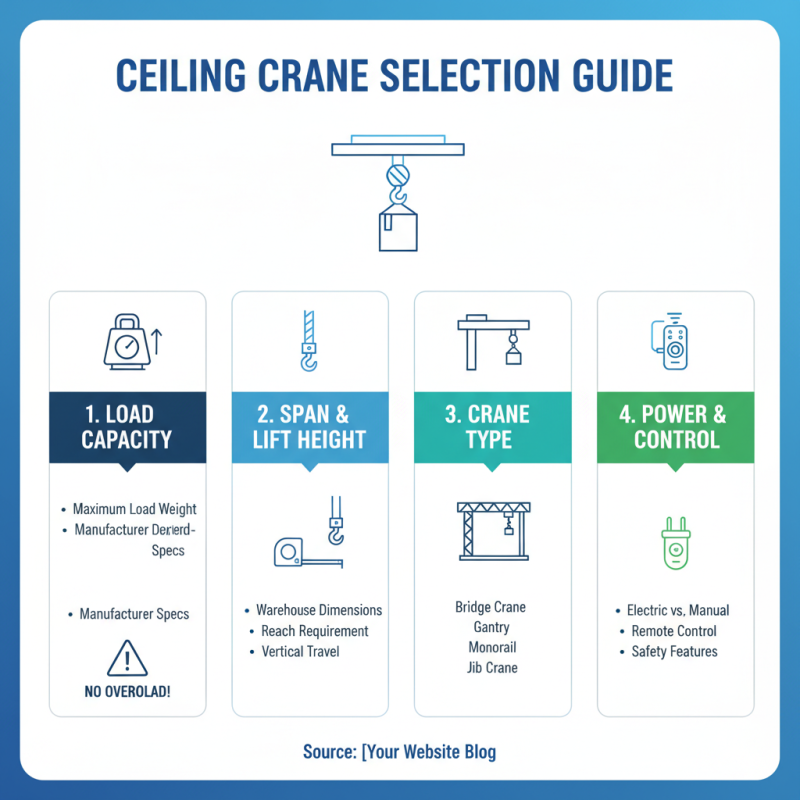
When selecting a ceiling crane, consider your specific requirements. The load capacity, span length, and type of materials being handled are crucial factors. Many warehouses face challenges with space and layout. Thus, understanding ceiling height and available floor space is essential. Also, experts suggest involving employees in the decision-making process. Their hands-on experience can reveal overlooked needs.
Not all ceiling cranes are created equal. Performance can vary, so it's vital to research available options. Manufacturers often provide detailed specifications. However, customer reviews might offer practical insights into real-world usage. It's important to take time reflecting on these choices. After all, the right ceiling crane can enhance productivity, but poor decisions can lead to costly mistakes.
Understanding the Basics of Ceiling Cranes and Their Functions
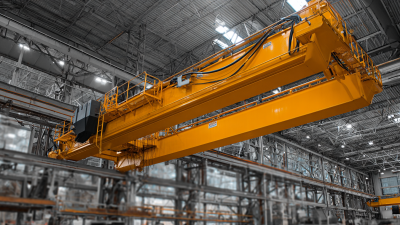
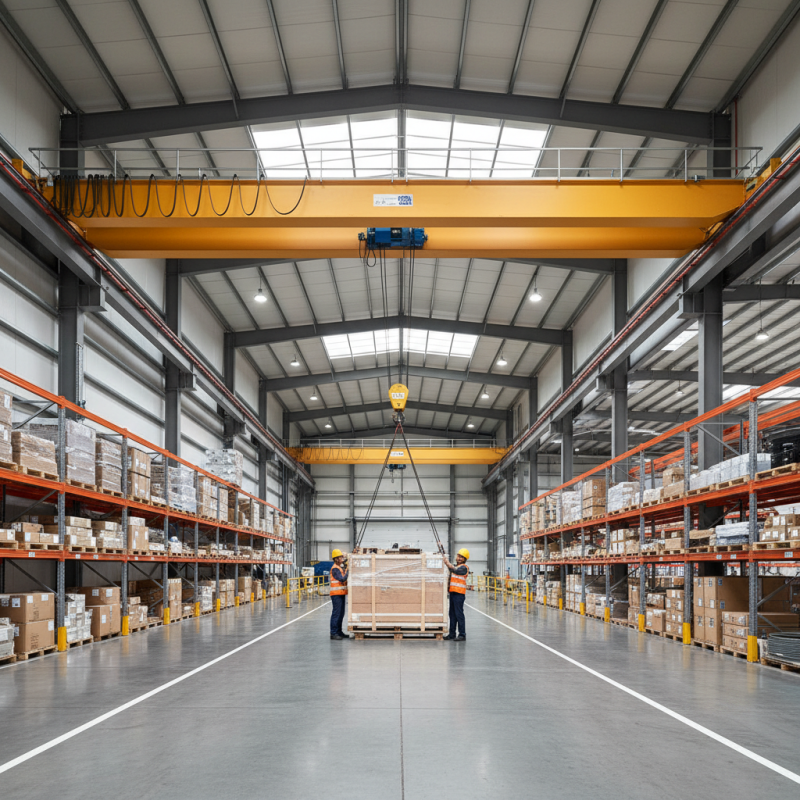
Ceiling cranes are essential for efficient material handling in warehouses. They are designed to lift and move heavy loads with ease. Understanding their basic functions can help you select the right system for your needs. Typically, ceiling cranes consist of tracks mounted to the ceiling, allowing for horizontal and vertical movement.
**Tip:** Assess your warehouse's layout before choosing a crane. Consider where you will place it and the types of loads you need to lift.
Ceiling cranes come in various capacities and configurations, from single-girder to double-girder systems. Each offers different load limits and maneuvering capabilities. The choice hinges on your specific operational demands. Lighting and the distance from the ceiling may also influence crane functionality.
**Tip:** Evaluate the workload. Any crane operates best within its limits. Overloading could lead to safety risks and potential damages.
Installation can also be challenging. Poor alignment or inadequate support may compromise the crane's efficiency. Ensuring that the crane is properly installed is critical to its performance and safety. Regular maintenance checks are necessary to avoid breakdowns. Many overlook this step, leading to costly repairs. Make it a point to reflect on your setup. Regularly reassess your needs as operations grow.
How to Choose the Right Ceiling Crane for Your Warehouse Needs?
| Crane Type |
Load Capacity (tons) |
Span (feet) |
Height (feet) |
Power Source |
Control Type |
| Single Girder |
5 |
20 |
10 |
Electric |
Wired |
| Double Girder |
10 |
30 |
15 |
Electric |
Wireless |
| Jib Crane |
2 |
15 |
8 |
Manual |
Fixed |
| Wall-Mounted Crane |
1 |
12 |
7 |
Manual |
Fixed |
| Portable Crane |
1 |
8 |
6 |
Battery |
Wired |
Assessing Your Warehouse Space and Load Requirements
Assessing your warehouse space is crucial when selecting a ceiling crane. Understanding dimensions and layout helps ensure efficient operations. According to the Material Handling Institute, a poorly utilized space can lead to a 20% loss in productivity. Measure the height, width, and depth of your warehouse before making any decisions.
Load requirements are equally important. Identify the heaviest items you will be lifting. This data shapes your choice of crane capacity. A study by the Occupational Safety and Health Administration suggests that nearly 50% of workplace injuries stem from improper lifting techniques. Overlooking load specifications can lead to injuries or equipment damage.
Consider aisle widths too. A tight space may restrict crane movement. This can create inefficiencies and delays in operations. Sometimes, the best option might not be the biggest crane but the one that fits your specific needs. Reflecting on these details ensures better safety and productivity in your warehouse.
Evaluating Different Types of Ceiling Cranes Available
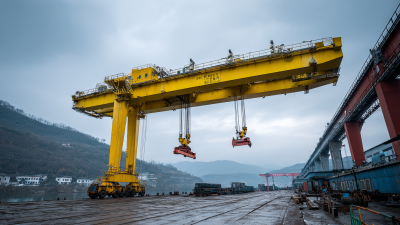
When evaluating different types of ceiling cranes for warehouse needs, it's essential to understand the specific requirements of your operations. There are several designs available, including overhead cranes, gantry cranes, and jib cranes. Each has its unique advantages and limitations. For instance, overhead cranes provide excellent lift height but require ample overhead space. Gantry cranes offer mobility and flexibility but may not suit every setting.
A recent industry report indicates that overhead cranes account for a significant 40% of the market share in material handling equipment. This highlights their popularity and potential effectiveness in many environments. However, they may not be an optimal choice for facilities with limited headroom.
Tip: Assess your warehouse layout before making a decision. Evaluate the height and width clearance.
It’s also crucial to consider the load capacity required. Many models can handle different weight thresholds, ranging from light loads below 500 pounds to heavy-duty cranes over 10 tons. Yet, purchasing a model far stronger than your needs can lead to wasted resources.
Tip: Analyze your load requirements carefully. A simple spreadsheet can help in this evaluation.
Some cranes might have complicated assembly requirements or maintenance needs that can pose challenges. Before selection, it’s worth reflecting on these aspects to avoid future complications.
Budgeting for Installation and Maintenance of Ceiling Cranes
Installing a ceiling crane can be a significant investment for any warehouse.
Understanding the costs involved is crucial for effective budgeting. Industry reports suggest that initial installation can range from
$5,000 to over $20,000, depending on the crane type and complexity. This wide range reflects various factors,
including the weight capacity and additional features. Many facilities overlook the importance of a
thorough initial assessment. Neglecting this step can lead to overspending or choosing an
inadequate system.
Maintenance is another critical aspect. On average, businesses may spend about 10% of the
initial installation cost annually on maintenance. Regular inspections and timely repairs can prevent costly breakdowns.
Research indicates that companies without a maintenance plan face 20% more downtime.
This highlights the need for a reflective approach to scheduling services.
Budgeting effectively involves looking beyond just the initial costs. Hidden expenses, such as training staff, can add up quickly.
Investing in training is vital. A well-trained team can operate the crane efficiently and safely, reducing the risk of accidents.
Ultimately, developing a comprehensive financial plan with these elements in mind can lead to better long-term outcomes.
Decisions made today will affect the warehouse's future operation efficiency.