2026 How to Choose the Right Eot Crane for Your Business Needs?
Choosing the right Eot Crane for your business is crucial. Eot Cranes, or Electric Overhead Traveling Cranes, serve various industries. Selecting the proper model can enhance productivity and safety.
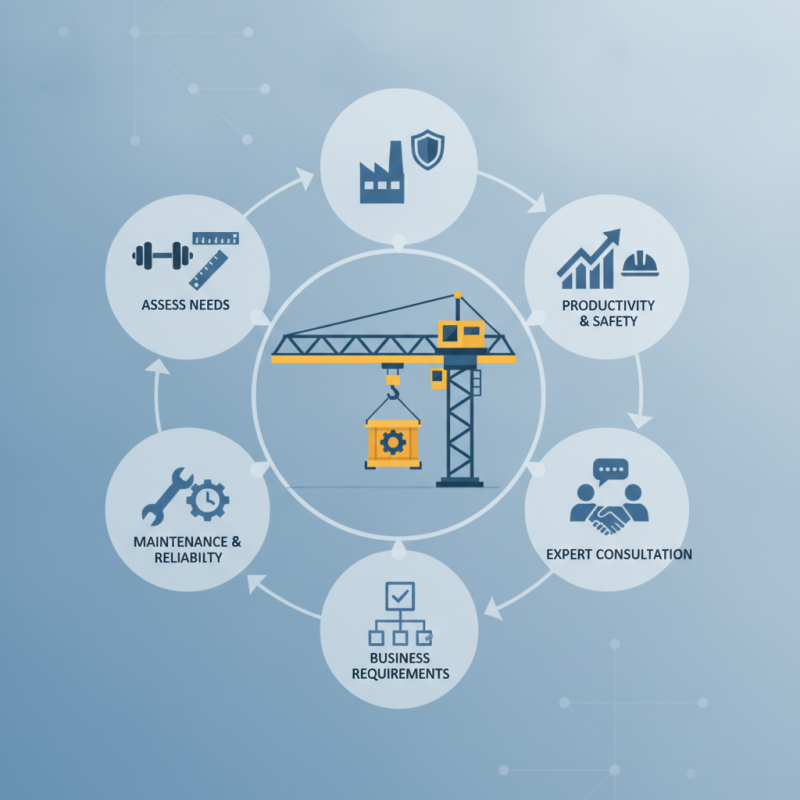
Understanding your specific needs is vital. Assess the load capacity and span requirements before making a choice. Sometimes, businesses overlook the importance of maintenance and reliability. These factors greatly influence long-term performance and costs.
Consider the space available for operation. A well-designed Eot Crane system minimizes hazards and maximizes efficiency. It is essential to consult with an experienced supplier. They can offer insights tailored to your operations. Reflecting on your unique demands will lead to a better decision.
Understanding the Basics of Eot Cranes and Their Applications
Eot cranes, or electrical overhead traveling cranes, play a pivotal role in various industries. Understanding the basics of these cranes is essential for effective decision-making. Eot cranes are designed for heavy lifting and transportation of materials. They are commonly used in manufacturing, construction, and warehousing. According to industry reports, the global industrial crane market is projected to reach USD 28 billion by 2026, reflecting a growing demand for efficient material handling solutions.
When selecting an Eot crane, consider the load capacity required for your operations. Each operation has unique needs, so understanding your load requirements is crucial. Tips for choosing the right crane include assessing your work environment and considering future expansion. If your facility has limited space, a compact crane may be ideal. The choice should also reflect safety and compliance standards relevant to your location.
Additionally, consider the crane's lifting height and span. This can significantly affect performance and efficiency. While the technical specifications are vital, there's also room for improvement. Many businesses overlook maintenance requirements, which can lead to accidents or reduced efficiency. Regular inspections and training programs are critical to enhance safety and longevity of the equipment.
Evaluating Your Business Needs for Eot Cranes
Choosing the right EOT crane for your business is a critical decision. You need to evaluate your operational requirements thoroughly.
Consider the weight and size of the materials you handle regularly. Is your work mostly indoors, or do you operate outdoors?
The environment impacts crane selection significantly. High humidity or extreme temperatures can affect crane performance and durability.
Load capacity is another vital factor. What is the maximum weight you expect to lift?
Oversizing your crane can lead to unnecessary expenses, while undersizing can cause safety risks. Reflect on your future needs too.
Will your business grow? Anticipating these changes helps ensure your crane will serve you for years.
Evaluate the available space for installation as well. Some facilities might have limited headroom or floor space, affecting crane type.
Look into maintenance and service options, too. A reliable support system is essential for minimizing downtime.
Remember, it's not just about the initial investment; long-term performance and efficiency matter as well.
This reflective approach can help you find the right EOT crane for your unique business needs.
Key Features to Consider When Selecting an Eot Crane
When selecting an Electric Overhead Traveling (EOT) crane for your business, there are several key features to consider.
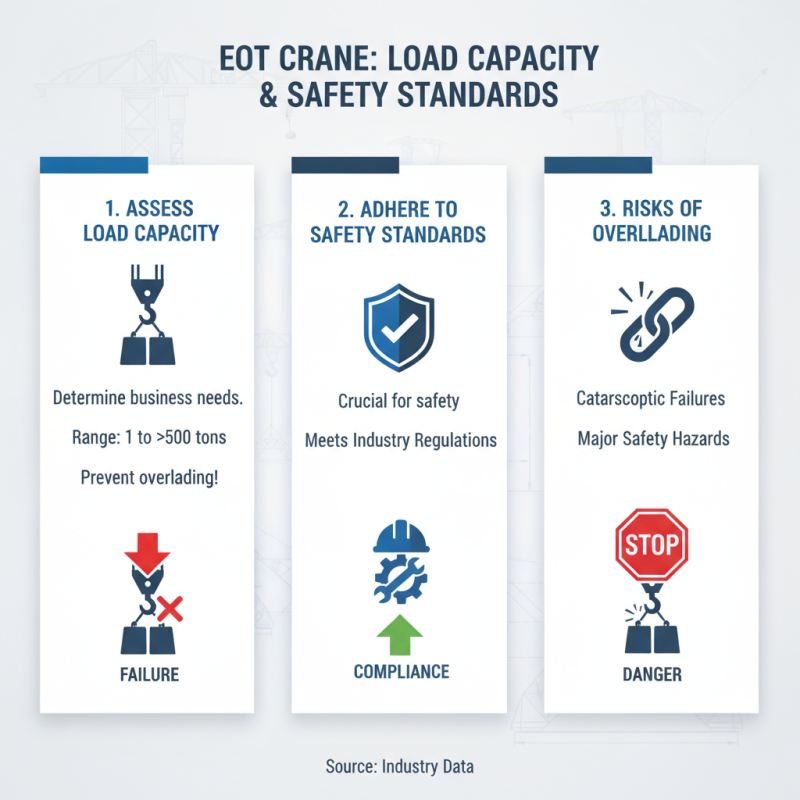
Load capacity is paramount. Understand your lifting needs. A crane that cannot handle the weight can lead to accidents. This is a critical aspect often overlooked. It is recommended to consult an expert to gauge the ideal capacity for your specific operations.
Another important feature is span length. This refers to the distance between the rails. Ideally, the span should cover the entire work area. Measure your workspace accurately. A crane that is too short can waste time and reduce efficiency. Also, consider the hoist speed. Slow lifts can disrupt workflows. However, ultra-fast speeds may compromise safety, creating a balance that requires careful evaluation.
Don't forget about safety features. Emergency stop buttons and overload protection are essential. Even experienced operators need these backups. Regular maintenance should not be ignored either. Cranes require routine checks to function effectively. Otherwise, performance may decline over time, leading to potential risks. Reflecting on these aspects can lead to better decisions for your investment in EOT cranes.
Comparing Different Eot Crane Manufacturers and Models
When evaluating different Eot crane manufacturers, it’s crucial to consider several factors. Look into the materials used in crane construction. High-quality steel and components enhance durability. A crane's lift capacity and height are essential features. Ensure the model aligns with your operational requirements.
Tips: Always check for the manufacturer's certifications. Compliance with safety standards ensures reliability. Consult industry professionals for insights on performance and maintenance. Their experience can guide you toward the best options.
Don’t overlook customer support services. A responsive team can help resolve issues promptly. Consider maintenance costs over time. Some models may have lower initial prices but higher upkeep. Gather feedback from users, as real-world experiences can reveal strengths and weaknesses. This process requires careful thought and reflection to make the best choice.
2026 How to Choose the Right Eot Crane for Your Business Needs?