How to Choose the Right Indoor Crane for Your Business?
Choosing the right indoor crane for your business is crucial. In warehouse operations, efficiency can increase by 30% with the proper equipment. Many companies overlook the importance of selecting the right design. Indoor cranes are essential for moving heavy materials safely and efficiently.
However, not all indoor cranes are created equal. Various factors impact their performance, including load capacity, reach, and mobility. A 2021 industry report showed that companies investing in modern crane solutions saw a 20% reduction in operational downtime. This highlights the need for businesses to carefully evaluate their options.
Selecting an indoor crane demands attention to detail. Companies should consider their specific needs and long-term goals. Many make the mistake of choosing based only on cost, often leading to regret later. Proper training and maintenance are also vital for maximizing crane longevity and reliability. Reflecting on these aspects ensures a well-informed decision that can enhance productivity and safety in the workplace.
Understanding the Different Types of Indoor Cranes Available
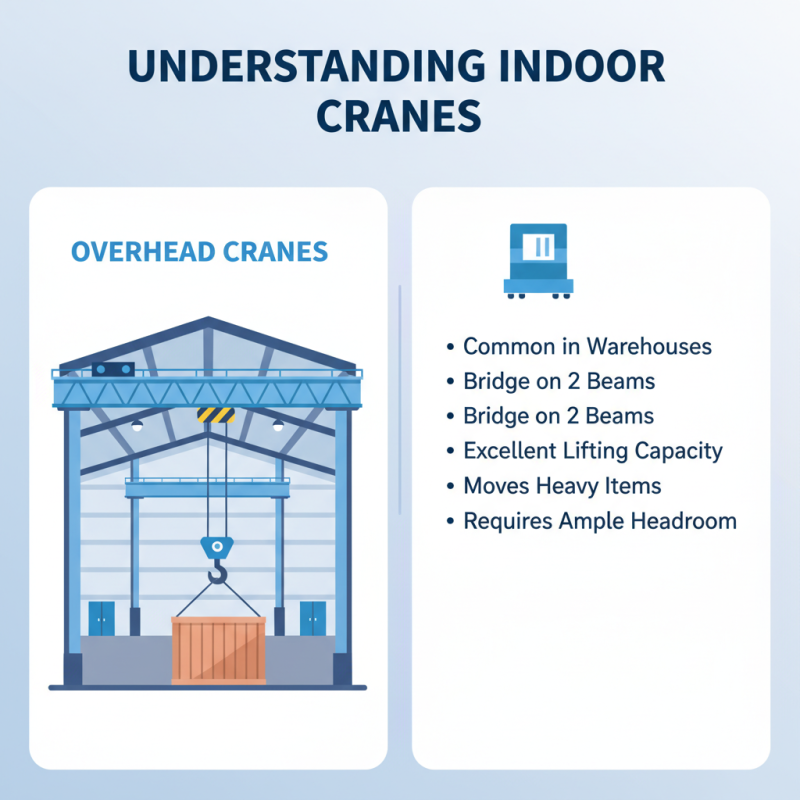
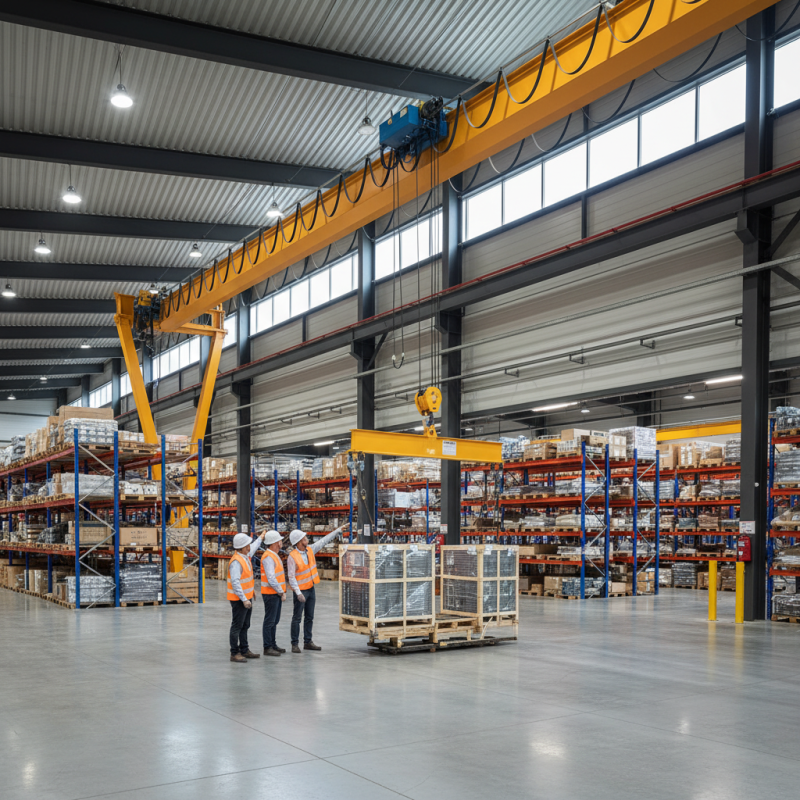
When selecting an indoor crane, it’s vital to understand the various types available. Overhead cranes are common in warehouses. They feature a bridge that runs along two beams. This design provides excellent lifting capacity. They are ideal for moving heavy items across large spaces. However, they require ample headroom for installation.
Gantry cranes are another popular choice. They can move freely across floors with their supportive legs. These cranes are often more portable. They come in adjustable sizes. This flexibility allows businesses to customize their lifting solutions. But, the design may limit their capacity compared to overhead cranes.
Jib cranes offer a different approach. Mounted to a wall or column, they provide useful reach in a confined area. These cranes are suitable for assembly lines or repair shops. Nevertheless, their lifting capability can be restrictive. Evaluating your workspace is essential when making a decision. Understanding the limitations and benefits of each type is crucial for efficiency. Make sure to align the crane choice with your specific operational needs.
Evaluating Load Capacity and Operational Requirements for Your Business
When selecting an indoor crane, evaluating load capacity is crucial. You need to consider the heaviest items you’ll lift. Each crane type has its limitations. Overloading a crane can lead to serious safety risks. It's essential to know the maximum weight your operations demand. Measure the average load, then choose a crane that exceeds this weight. This helps avoid breakdowns and accidents.
Operational requirements must align with business needs. Consider the crane's lifting height and reach. Will it operate in tight spaces? Can it maneuver smoothly? A compact design may be necessary in confined areas. Think about energy sources as well. Electric models are quieter, while diesel engines provide more power. Each option influences efficiency and operating costs.
Moreover, practicality should not be overlooked. Cranes require regular maintenance. Evaluate the service and support available for your choice. Understanding your team's ability to operate and maintain the equipment is vital. If your staff lacks training, it could lead to improper use or damage. This highlights the importance of thorough research before making a purchase. Take the time to assess your actual needs and capabilities thoroughly.
Assessing Space Constraints and Floor Conditions for Indoor Cranes
When selecting the right indoor crane for your business, it's crucial to assess space constraints and floor conditions. These factors determine how effectively the crane can operate within your facility. Notably, the total usable space is often smaller than anticipated, with many warehouses reporting that only 70% of their floor space is efficient for crane operations.
Consider the height and width of your facility. A crane with a taller lift capacity might not fit in lower-ceiling areas. Moreover, floor conditions significantly impact crane performance. A concrete floor must be level and free from cracks. In a recent industry report, 40% of crane failures were attributed to inadequate flooring.
Tip: Always measure your space carefully. Use a laser tape measure for accurate results. Evaluate any obstacles that may impair movement.
Moreover, consider load-bearing capabilities. Not all floors can support heavy cranes, especially in older buildings. Consulting with structural engineers is advisable to avoid costly accidents. It's essential to analyze both current and future needs, as fluctuations in workload can emerge.
Tip: Anticipate future space changes before making a decision. Flexibility is vital in crane selection to account for potential expansions or modifications.
How to Choose the Right Indoor Crane for Your Business? - Assessing Space Constraints and Floor Conditions for Indoor Cranes
| Crane Type |
Load Capacity (tons) |
Recommended Height (ft) |
Floor Type |
Space Needed (sq ft) |
| Electric Overhead Crane |
5 |
12 |
Concrete |
200 |
| Gantry Crane |
3 |
10 |
Asphalt |
150 |
| Jib Crane |
2 |
8 |
Concrete |
100 |
| Wall-Mounted Crane |
1.5 |
9 |
Steel |
80 |
| Portable Crane |
1 |
7 |
Asphalt |
60 |
Exploring Safety Features and Compliance Standards for Crane Selection
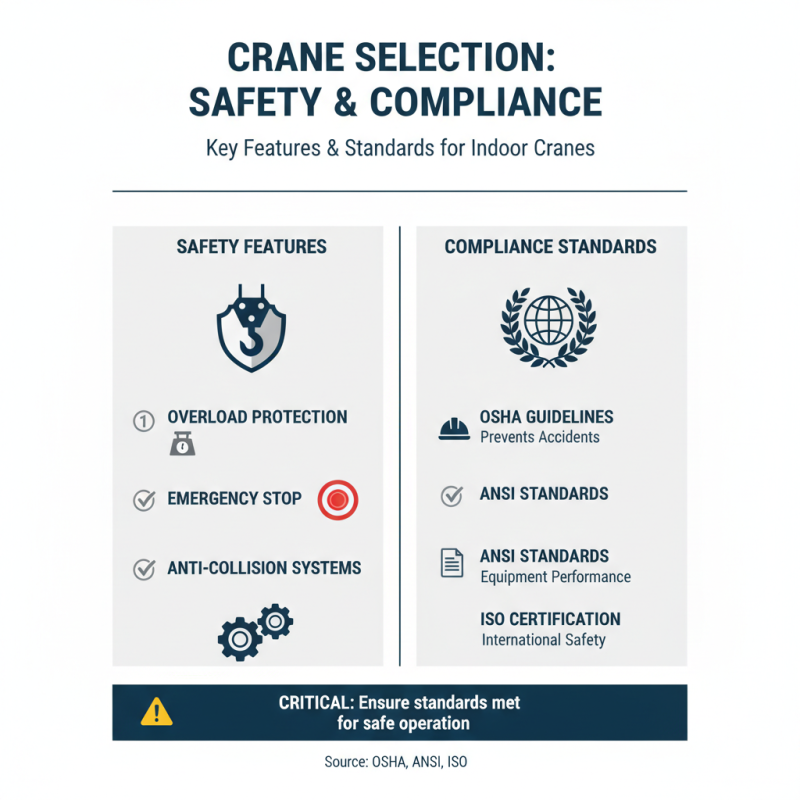
When selecting an indoor crane, safety features and compliance standards are paramount. According to the Occupational Safety and Health Administration (OSHA), many workplace accidents stem from inadequate equipment. Ensuring your crane meets ANSI and ISO standards is critical. These standards help guarantee that the crane can operate safely within its designed capacity.
Various safety features enhance a crane's reliability. Automatic overload protection is essential, as it prevents accidents caused by exceeding load limits. Additionally, emergency stop buttons are crucial in urgent situations. A report from the International Crane and Rigging Conference reveals that cranes equipped with advanced safety features reduce accident rates by up to 30%.
Collisions in the workplace can happen. Using cranes with collision detection systems can significantly reduce these risks. Also, regular maintenance and inspections are vital in adhering to compliance standards. Many organizations fail to prioritize these processes, leading to potential vulnerabilities. Implementing a robust training program for operators can also improve overall safety and efficiency.
Budget Considerations: Cost of Purchase, Maintenance, and Operation
When selecting an indoor crane, budget considerations matter greatly. The initial purchase price is just the starting point. Businesses must look into long-term costs, including maintenance and operation. Often, lower upfront costs can lead to higher maintenance expenses over time.
For example, a crane that appears cost-effective may require frequent repairs. Those repairs can add up quickly, eating into your budget. It's important to weigh these factors carefully. Understanding your operational needs will also play a critical role. Will the crane be used continuously, or only occasionally? Frequent use might justify a higher initial investment in a durable model.
Training for operators is another cost to consider. Ensuring your team knows how to operate the crane safely can prevent accidents and extend its lifespan. Budgeting for safety training is essential but often overlooked in initial calculations. Investing in the right equipment and skills can lead to more reliable operations and lower costs in the long run. Aim for a balance between the initial price and the total cost of ownership.
Cost Analysis of Indoor Cranes for Businesses