How to Choose the Right Bridge Crane for Your Industrial Needs?
Selecting the appropriate bridge crane for industrial applications can be challenging. Various factors must be considered to ensure it meets specific needs. A bridge crane plays a vital role in material handling. It enhances efficiency and safety in various environments.
Understanding the distinct types of bridge cranes available is essential. Define the load capacity, span, and lifting height needed. These specifications greatly influence performance. Often, users overlook the importance of operational environment. Factors like space limitations and existing infrastructure must not be ignored.
Reflecting on practicality is crucial. What works in one setting may not suit another. Take time to analyze your workload and equipment interaction. A sound choice can lead to significant productivity gains. Conversely, a poor decision might result in operational issues. Building a solid understanding of bridge cranes will empower better decisions in your industrial needs.
Types of Bridge Cranes Available for Industrial Applications
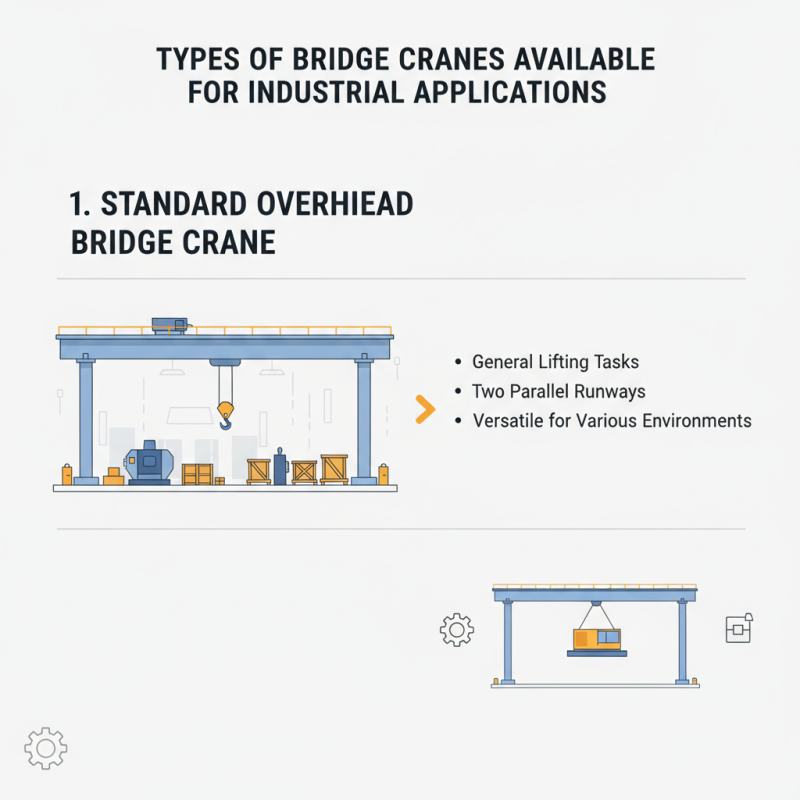
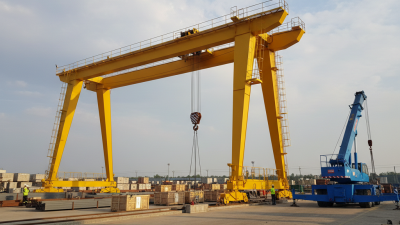
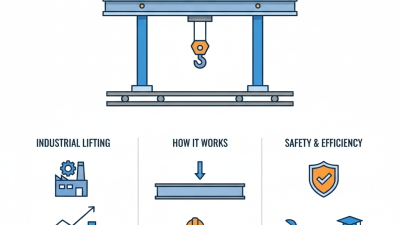
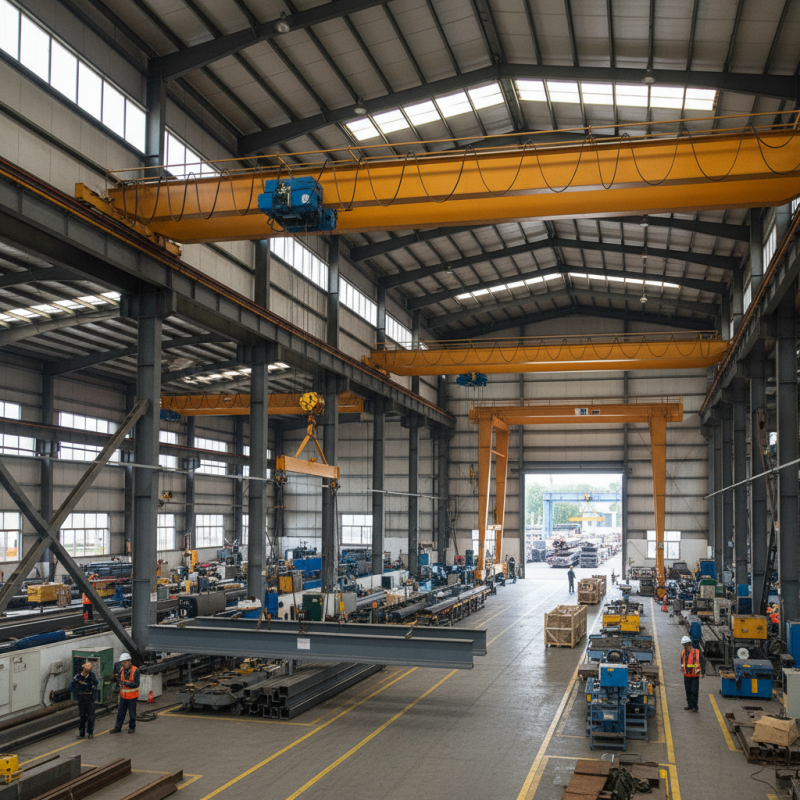
When selecting a bridge crane for industrial applications, understanding the types available is crucial. There are several common types, each designed for different needs. The standard overhead bridge crane is widely used for general lifting tasks. It has two parallel runways and a lifting mechanism, offering versatility in various environments.
The single girder and double girder cranes are popular choices. A single girder crane is lighter and more cost-effective, suitable for smaller loads. In contrast, a double girder crane accommodates heavier loads with increased stability. These cranes often feature hoists with varying speeds for precise control.
Another important type is the workstation bridge crane. Designed for ergonomic lifting, it enhances efficiency in assembly lines. Its flexibility allows easy movement throughout the workspace. It's essential to evaluate your specific requirements and constraints when choosing the right type. Reflecting on the operations can lead to better decisions.
Key Factors to Consider When Selecting a Bridge Crane
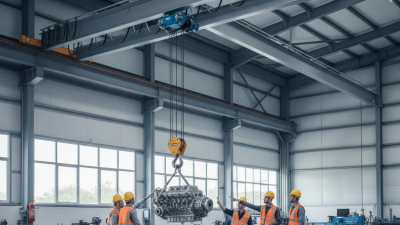
Choosing the right bridge crane for your industrial needs requires careful consideration. One key factor is load capacity. You must know the heaviest loads you'll lift. This informs your choice of crane type and design. Understanding the weight limits prevents accidents and ensures safety.
Another vital aspect is the working environment. Will you use the crane indoors or outdoors? Indoor cranes often require extra features, like lower overall height. Outdoor cranes need weather-resistant materials. Contemplating these elements early can prevent costly modifications later.
Consider the height and span as well. These measurements dictate how much space the crane will need. If your facility has low ceilings, a specialized crane may be necessary. Also, evaluate the frequency of use. More frequent use warrants a more durable design. This awareness can guide you toward sustainable choices that align with your operational goals.
How to Choose the Right Bridge Crane for Your Industrial Needs?
| Factor |
Description |
Importance Level |
| Load Capacity |
The maximum weight the crane can safely lift. |
High |
| Span Length |
The distance between the two bridge rails. |
Medium |
| Lift Height |
The maximum vertical distance to which loads can be lifted. |
High |
| Power Source |
Electric, battery, or diesel options available depending on application. |
Medium |
| Speed of Operation |
The speed at which the crane can operate. |
Low |
| Environmental Conditions |
Factors like temperature, humidity, and dust can affect crane operation. |
High |
| Safety Features |
Features like overload protection and emergency stops. |
Very High |
| Maintenance Requirements |
Ease of access to components for repair and upkeep. |
Medium |
Assessing Load Capacity and Operational Requirements
Choosing the right bridge crane is essential for optimizing industrial operations. When assessing load capacity, it’s crucial to consider the weight of the materials being lifted. According to a report from the Crane Manufacturers Association of America, a bridge crane should have a load capacity that exceeds the maximum weight by at least 20%. This margin ensures safety and efficiency.
Operational requirements do not only include the maximum load but also the frequency of use. For instance, heavy-duty cranes are designed for constant use. A study indicated that operating cranes for more than five hours daily increases wear and tear significantly, impacting long-term reliability. It’s important to regularly evaluate the operational environment. Dusty or corrosive environments can affect crane performance.
As industries continue evolving, factors like automation may play a role in crane selection. Many companies find it challenging to integrate new technologies with older systems. However, understanding your facility’s specific needs, such as the height and span of the crane, can guide effective decision-making. Balancing these elements creates a more capable lifting solution.
Evaluating Safety Features in Bridge Crane Design
Choosing the right bridge crane involves careful attention to safety features. Evaluating these features is critical for minimizing risks in industrial settings. According to a report by the Occupational Safety and Health Administration (OSHA), improper crane operation leads to significant workplace incidents yearly. Safety features greatly reduce the likelihood of these incidents.
One essential aspect is load limiters. These devices prevent operators from exceeding the safe lifting capacity of the crane. A study published in the Journal of Occupational Safety highlighted that cranes without load limiters had a 30% higher incident rate. Operators must be trained to understand these tools and their importance.
Another key safety feature is emergency stop systems. These systems allow for immediate halting of crane operations during emergencies. Research shows that cranes equipped with these systems effectively lower injury rates by 45%. Yet, operators often overlook the importance of regular maintenance for these features. Proper training and drills can ensure workers know how to react in emergencies. This creates a safer working environment.