How to Choose the Right Eot Crane for Your Business Needs?
Choosing the right Eot Crane for your business is critical. With so many options available, it can feel overwhelming. Industry expert John Smith, a leading crane consultant, emphasizes, “Not all Eot Cranes are created equal. Each has unique capabilities tailored to specific needs.”
When evaluating an Eot Crane, consider your operational requirements. The crane’s load capacity and lifting height are essential factors. You should also think about the space available for operation. Some businesses find themselves purchasing a crane that does not fit their workspace. This can lead to inefficiencies and increased costs.
Moreover, safety features should not be overlooked. Different models offer varying levels of safety standards. Take the time to research and consult with experts. John Smith reminds us, “Investing in the wrong crane can have long-term repercussions." Your choice in Eot Crane will shape operational efficiency and worker safety for years to come.
Understanding EOT Cranes: Types and Their Applications
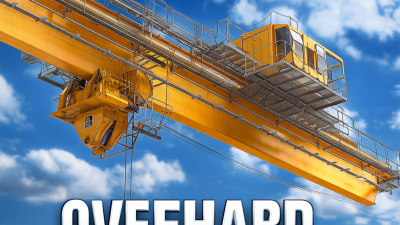
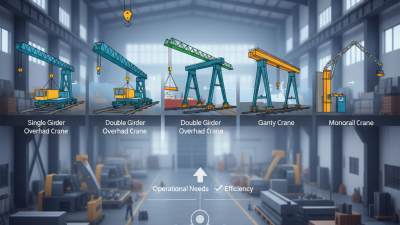
EOT cranes, or Electric Overhead Traveling cranes, are vital in various industries. Understanding the types and applications of EOT cranes can greatly enhance operational efficiency. There are two primary types: single girder and double girder cranes. Single girder cranes are often more compact. They are suitable for lighter loads and smaller spaces. Reports indicate they can handle up to 10 tons with limited lifting heights.
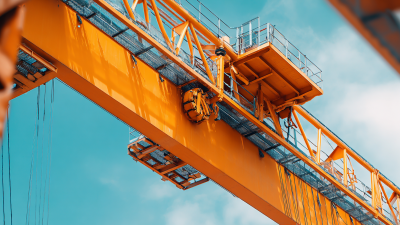
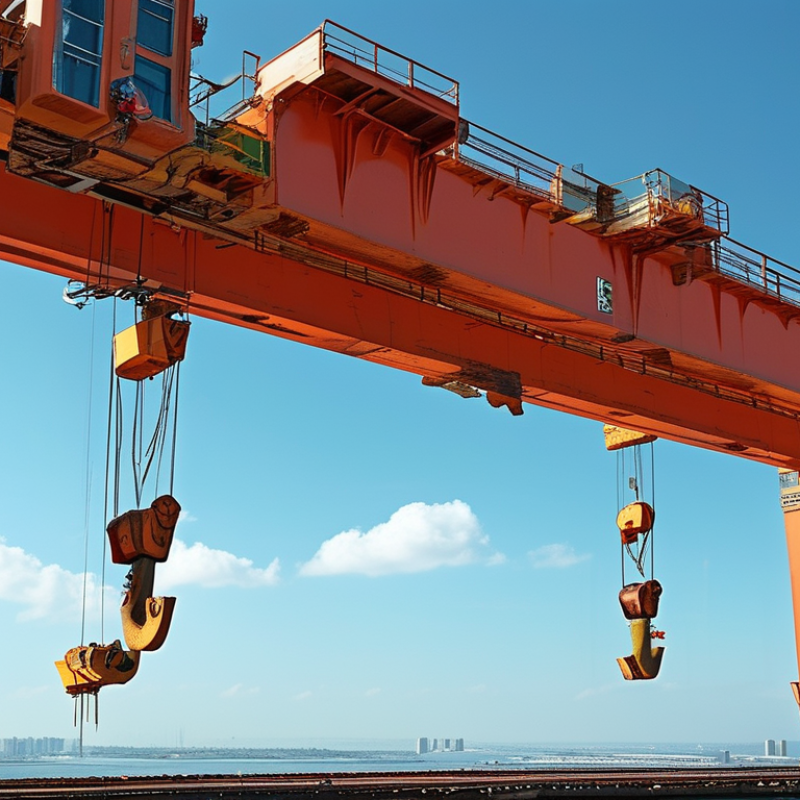
Double girder cranes provide more strength. They are suited for heavier loads, often exceeding 100 tons. These cranes are used in large warehouses and fabrication shops. According to industry data, about 70% of EOT cranes in manufacturing settings are double girder models. Their versatility makes them indispensable in sectors like construction, automotive, and aerospace.
However, choosing the right crane isn't always straightforward. Factors like load capacity, span, and lift height must align with your operational needs. Misalignment can lead to inefficiencies. A common mistake is underestimating the required lifting capacity. This can result in frequent breakdowns and increased maintenance costs. Understanding these nuances is crucial for optimizing your crane selection process.
Assessing Your Load Requirements for EOT Crane Selection
When selecting an Electric Overhead Traveling (EOT) crane for your business, understanding load requirements is crucial. Start by evaluating the maximum weight the crane will need to lift. This includes both static and dynamic loads. Static loads refer to the weight of the materials, while dynamic loads consider the effects of movement, like swinging or sudden stops. Misjudging these factors can impact safety and efficiency.
Consider the types of materials you'll be lifting. Are they bulky, awkward, or hazardous? Each material may require specific handling techniques. Accessibility also plays a role; does your workspace allow for adequate crane movement? Lack of space can lead to inefficient operations. It's also wise to assess the frequency of use. Is the crane for daily operations or occasional heavy lifting? Higher frequency demands a more robust design.
Don’t overlook maintenance needs as well. A more complex crane may require professional upkeep. This can lead to unexpected costs and downtime. Reflect on your team’s expertise too. If your personnel lacks training, the safest equipment might not be effective. Striking a balance between the crane’s capabilities and your operational needs is essential for a successful selection process.
How to Choose the Right Eot Crane for Your Business Needs?
| Load Capacity (Tons) |
Span Length (Meters) |
Operating Environment |
Crane Type |
Power Supply Type |
| 5 |
15 |
Indoor |
Single Girder |
Electric |
| 10 |
20 |
Outdoor |
Double Girder |
Diesel |
| 15 |
25 |
Indoor |
Overhead |
Electric |
| 20 |
30 |
Outdoor |
Goliath |
Hybrid |
| 30 |
40 |
Indoor/Outdoor |
Rail Mounted |
Electric |
Evaluating the Workspace and Area Constraints for Crane Installation
Evaluating the workspace for crane installation is crucial. Start by measuring the height and width of your facility. Ensure there is ample overhead space for lifting without obstruction. Low ceilings can limit crane operation. It's essential to account for potential obstacles like beams or ductwork. Also, consider the floor’s capacity to support the crane and heavy loads. Cranes need a firm foundation.
Area constraints also play a vital role. Assess the layout of your workspace to determine if the crane can move freely. If the area is tight, a compact design may be better. Narrow aisles or crowded environments can restrict crane mobility. Think about workflow too. A well-placed crane can improve productivity. However, poor placement might lead to delays or accidents. Evaluate how the crane will interact with existing machinery.
Don’t overlook safety regulations. Each workplace has its safety guidelines that must be adhered to. Building codes may dictate the type of crane suitable for your space. Consult with experts if needed, but ensure you understand the basic requirements. Planning ahead can mitigate future challenges. Ultimately, a well-chosen crane enhances operations, but misjudgments can lead to costly errors.
Choosing the Right Eot Crane: Workspace and Area Evaluation
Determining Safety Features and Regulations for EOT Cranes
When selecting an EOT crane, safety features and adherence to regulations are paramount. Understanding these elements can help prevent accidents and ensure compliance with industry standards. According to the Occupational Safety and Health Administration (OSHA), about 60% of all fatalities in construction are attributed to falls, electrocutions, and being struck by objects. Crane safety plays a critical role in mitigating risks.
One essential safety feature to consider is load monitoring systems. These systems prevent overloading, reducing the risk of mechanical failure. Ensure that the crane complies with the latest ANSI and ASME regulations. Regular inspections and maintenance records are essential. According to a report by the Crane Association of New Zealand, timely maintenance can extend the lifespan of equipment by up to 30%.
Tips:
- Always verify the crane’s load capacity before use.
- Familiarize your team with emergency procedures.
- Encourage regular training sessions focused on safety compliance.
- Inadequate training may lead to accidents, highlighting the need for ongoing education in crane operations.
- Prioritize proactive measures over reactive ones.
Your choice in safety features can greatly influence operational efficiency and employee safety.
Considering Cost, Maintenance, and Long-term Value in Crane Choices
When selecting an EOT crane, cost is a primary factor. Upfront costs may seem attractive, but hidden expenses can arise. Consider installation and operational costs. These additional expenses can impact your budget significantly. Evaluating the initial investment against potential long-term savings is essential. Low-cost options might lead to higher repair costs later.
Maintenance plays a vital role in crane choice. Regular maintenance ensures safety and efficiency. A well-maintained crane reduces operational interruptions. Think about the availability of spare parts and service providers. Some models may require specialized knowledge, complicating repairs and increasing downtime. This can be a critical drawback for your operations.
Long-term value also includes employee training and safety enhancements. Investing in a crane that offers advanced safety features can prevent accidents. A safer work environment promotes efficiency and reduces insurance costs. Reflect on how these factors align with your business goals. Making a decision purely based on initial costs could lead to regrets in the future.