How to Choose the Right Overhead Bridge Crane for Your Business?
Choosing the right Overhead Bridge Crane can be a challenging task for businesses. It requires a deep understanding of specific needs and operational conditions. According to Mark Peterson, a renowned expert in material handling systems, "Selecting the appropriate Overhead Bridge Crane is crucial for maximizing efficiency and safety." This statement highlights the importance of making informed decisions.
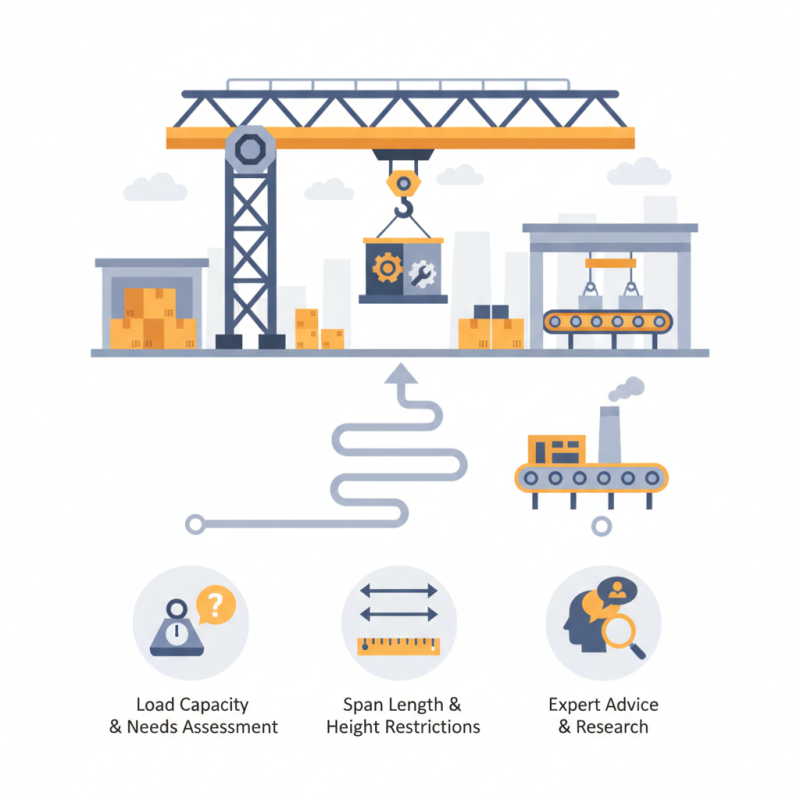
Overhead Bridge Cranes are vital tools in various industries, handling heavy loads with precision. Factors such as load capacity, span length, and height restrictions all come into play. Each business has unique requirements that must be carefully evaluated. A failure to assess these needs can lead to operational challenges and safety issues.
Moreover, seeking advice from industry professionals can provide valuable insights. However, it is essential to acknowledge that even experts may have differing opinions. This variability emphasizes the need for a thorough exploration of options. Businesses should invest time in research and consider all available resources before making a final choice.
Understanding Your Business Needs for an Overhead Bridge Crane
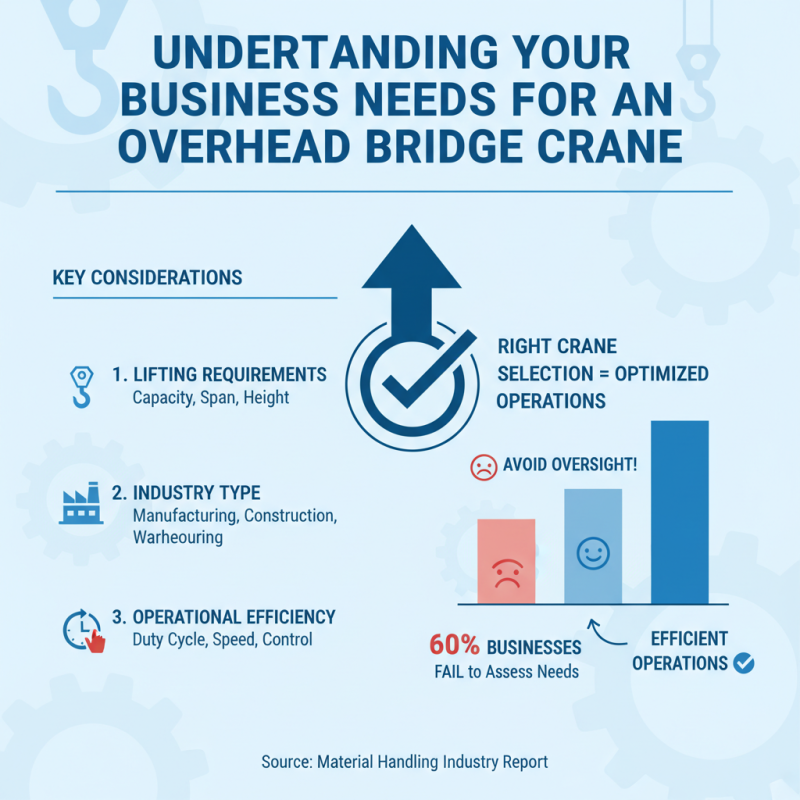
When selecting the right overhead bridge crane, understanding your business needs is paramount. Different industries have varied lifting requirements. A report from the Material Handling Industry shows that over 60% of businesses fail to assess their unique needs before purchasing. This oversight can lead to inefficiencies in operations.
Consider the load capacity needed for your specific applications. Heavy-duty operations may require cranes capable of lifting up to 200 tons. In contrast, lighter applications might only need a 10-ton capacity. The frequency of use also plays a critical role. Regular use requires robust solutions, while occasional tasks may benefit from flexible options. According to recent data, businesses that tailor solutions to their demands experience up to a 25% increase in productivity.
Furthermore, the workplace environment influences crane selection. Cranes used in harsh conditions need special enhancements. Factors like temperature, dust levels, and potential corrosion should be evaluated. A study indicated that 45% of crane failures are linked to improper environmental assessments. Ensuring equipment aligns with operational conditions is crucial for safety and reliability. Taking the time to reflect on these aspects can lead to better decision-making.
Evaluating Load Capacities and Specifications for Crane Selection
Choosing the right overhead bridge crane for your business involves careful evaluation of load capacities and specifications. Understanding the maximum load your operations will require is essential. Different tasks demand different lifting capacities. You need to assess your heaviest loads and select a crane that can handle those specifications reliably.
Consider the type of materials you will be lifting. Dense materials may require stronger support, while lighter materials may not. It’s also wise to think about the frequency of use. Frequent heavy lifting might necessitate a more robust crane. Depending on your workspace, dimensions also play a pivotal role.
Tips: Always check the manufacturer’s specifications for safe load limits. Assess your workspace’s height and width. It’s essential to account for any obstructions overhead. Often, poor clearance can lead to operational challenges.
Remember, the selection process is not just about numbers. Reflect on your specific needs. Seek advice from professionals who have experience in the field. They can provide insights that technical specifications alone cannot offer. Balancing capability with practicality is crucial for successful operations.
Assessing the Environment: Indoor vs. Outdoor Crane Requirements
Choosing the right overhead bridge crane requires careful assessment of your work environment. For indoor operations, crane specifications differ significantly from outdoor usage. Indoor cranes benefit from easier access to power sources and controlled conditions. This leads to better operational efficiency.
In contrast, outdoor cranes face unique challenges. They must withstand weather elements like rain, snow, and extreme temperatures. According to industry reports, cranes exposed to corrosive conditions require more robust materials, potentially increasing maintenance costs by 50%. Moreover, acquiring cranes that operate effectively in variable temperatures is crucial. The operating environment directly impacts crane lifespan and reliability.
It’s important to consider clearance, vertical lift, and load capacity. Many businesses overlook these details, risking inefficient operations and safety hazards. Conducting a comprehensive site survey can reveal hidden challenges, allowing for better decision-making. Ensuring the crane meets environmental demands helps protect investment and enhance productivity.
Exploring Different Types of Overhead Bridge Cranes Available
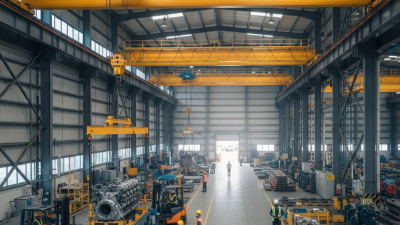
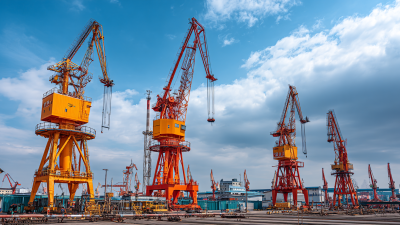
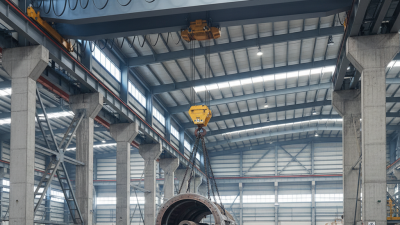
When selecting the right overhead bridge crane, it's essential to understand the various types available. Common types include top-running, under-running, and gantry cranes. Each type serves different applications and environments. Top-running cranes are generally suitable for large spaces. They travel along elevated rails, maximizing headroom. This design is ideal for heavy lifting in warehouses or factories.
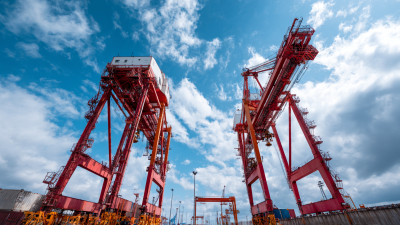
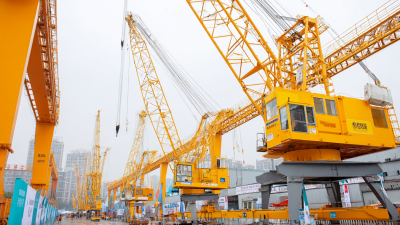
Under-running cranes, however, are best for smaller areas. They run on beams suspended from the ceiling. This setup provides greater flexibility and is easier to install. Gantry cranes are another popular choice. These cranes have a support frame, allowing them to move across a workspace without being attached to a building. They are well-suited for outdoor applications, like loading docks or construction sites.
Choosing the right crane involves assessing your operational needs. Consider the lift capacity required, the span of the crane, and the available workspace. Mistakes can be costly, so consider consulting with experts in the field. Identify potential limitations, such as height restrictions or power supply options. Making informed decisions now can save significant issues later on. Each crane type has its strengths and weaknesses; understanding these details is crucial for a successful investment.
Different Types of Overhead Bridge Cranes Available
Budgeting and Cost Considerations for Purchasing a Crane
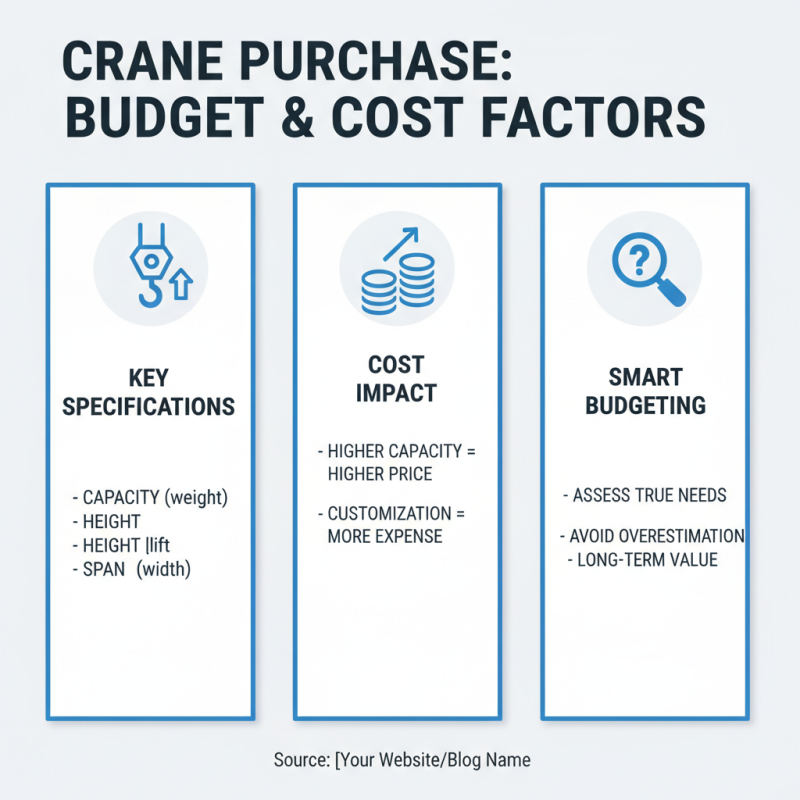
Budgeting effectively for an overhead bridge crane is crucial for any business. Many factors influence the final cost. First, consider the crane's capacity, height, and span. These specifications can significantly impact your budget. A higher capacity often means a higher price. Think about what your business truly needs. Overestimating can lead to unnecessary expenses.
Maintenance is another critical aspect. Some types require regular upkeep, adding to long-term costs. It's wise to factor in these potential expenses into your initial budget. Consider the training costs for your team, as well. Proper training can ensure safe and efficient use of the crane. This investment can prevent accidents and costly downtimes.
Don't overlook the potential hidden costs in transportation and installation. Sometimes, suppliers charge extra for these services. It's beneficial to ask upfront about all potential fees. Being thorough in your budgeting can prevent unexpected expenses. Reflect on your options and perhaps consult with experts. Their insights can guide better budget decisions for your crane needs.