How to Choose the Right Over Head Bridge Crane for Your Needs?
Choosing the right Over Head Bridge Crane can be daunting. According to industry expert John Smith, "Selecting the right crane is critical for safety and efficiency." This makes understanding your specific needs essential.
Over Head Bridge Cranes are vital in many industries. They enhance productivity and streamline operations. However, various models exist with unique features. Each option serves different requirements. Your choice depends on load capacity, span, and operational environment.
Before finalizing your decision, reflect on your workspace. Consider the height and weight limits. Additionally, think about the frequency of use. A more robust model may be needed for heavy, constant lifting. The wrong selection can lead to inefficiencies or even accidents. Make informed choices to ensure safety and optimal performance.
Understanding Overhead Bridge Cranes: Types and Applications
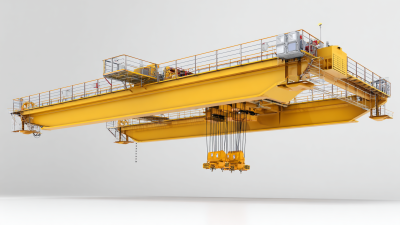
Overhead bridge cranes are essential in various industries. They are used for heavy lifting and moving materials safely. There are different types, including single girder and double girder cranes. The choice depends on the intended use and workspace.
According to a recent industry report, the global overhead crane market is expected to grow significantly. This growth is driven by increased demand in manufacturing and construction sectors. In heavy-duty applications, double girder cranes offer better stability and lift capacity. They can handle loads over 100 tons, making them ideal for large facilities. Single girder cranes, on the other hand, are more cost-effective for lighter loads. They are suitable for smaller workshops or warehouses.
Understanding the specific requirements of your operation is crucial. Consider factors like load weight, lift height, and span. Poorly chosen cranes can lead to inefficiencies and safety hazards. Regular maintenance is vital, as neglect can result in costly downtime. Investing time in research and professional consultations can ensure you select the most suitable crane for your needs.
Key Factors to Consider When Choosing an Overhead Bridge Crane
When selecting the right overhead bridge crane, several key factors come into play. One major consideration is the load capacity. Knowing the specific weights you need to lift is vital. Cranes come in various capacities, and choosing one that exceeds your requirements ensures safer operation.
Another aspect is the span of the crane. The span determines the area that the crane can cover. Measure the distance between the support structures to find the ideal span. An undersized span might limit operational efficiency and increase costs. You may end up needing a larger crane in the future if your operations expand.
Don’t overlook the operational environment. Cranes used in manufacturing facilities may face different challenges than those in outdoor settings. Dust, moisture, and temperature should be taken into account. It’s easy to underestimate these factors, yet they can significantly affect the crane’s performance and longevity. Always seek advice from experienced professionals to avoid costly mistakes.
How to Choose the Right Over Head Bridge Crane for Your Needs? - Key Factors to Consider When Choosing an Overhead Bridge Crane
| Key Factor |
Description |
Considerations |
| Load Capacity |
The maximum weight the crane can safely lift. |
Calculate your maximum load requirements and add a safety margin. |
| Span Length |
The horizontal distance between the crane's support beams. |
Measure your workspace to ensure the span fits appropriately. |
| Hoist Type |
The mechanism used to lift loads (electric, manual, etc.). |
Select based on frequency of use and load requirements. |
| Power Source |
How the crane is powered (electric, battery, air). |
Consider availability of power sources in your facility. |
| Control System |
The method used to operate the crane (remote, pendant, etc.). |
Evaluate operator safety and convenience. |
| Environmental Conditions |
Factors that may affect operation (temperature, humidity). |
Choose a crane that is suitable for your specific environment. |
| Safety Features |
Built-in components designed to enhance operator safety. |
Look for alarms, emergency stops, and limit switches. |
Assessing Load Capacity and Span Requirements for Your Crane
Choosing the right overhead bridge crane involves careful consideration of load capacity and span requirements.
Load capacity refers to the maximum weight the crane can handle safely. Understanding your specific needs is crucial. Consider the heaviest load you will move. Additionally, think about the distribution of this weight across the lift. It's essential to choose a crane that exceeds your anticipated max loads.
Span requirements describe the distance the crane must cover. This measurement determines the space between the supporting structures. A longer span may require a stronger crane. Evaluate the layout of your facility. Positioning can affect how effectively the crane covers the intended area. Pay attention to overhead obstructions like beams or piping.
Tips: Always consult a professional when assessing your needs. Take time to map out your workspace and load patterns. Consider future growth and changes in your operations. This foresight can save money and time later.
Be aware that overestimating or underestimating load capacity can lead to accidents. Adjust for safety when defining your specifications. Choose materials that can withstand expected wear and tear.
Safety Features and Compliance Standards in Overhead Cranes
When selecting an overhead bridge crane, safety features and compliance standards are paramount. These cranes operate in diverse environments and handle heavy loads. Prioritizing safety can prevent accidents and protect workers. A reliable crane must meet local and international compliance standards. Manufacturers often provide documentation to verify adherence to these regulations.
Key safety features include emergency stop buttons, overload protection, and anti-collision systems. These mechanisms ensure that cranes operate within safe limits. Regular maintenance checks are also critical. Neglecting maintenance can lead to equipment failure and potential hazards. Workers should be trained to operate these cranes safely. Even experienced operators can benefit from refresher courses.
Choosing the right crane is not just about load capacity. It also involves understanding the specific safety needs of your work environment. Always assess your facility layout and load handling processes. Seek expert advice if uncertain. Reflecting on your specific requirements can lead to better choices. Safety and compliance are ongoing commitments, not just box-ticking exercises.
Evaluating Installation and Maintenance Needs for Your Crane System
When selecting an overhead bridge crane, installation and maintenance requirements are critical. Understanding these needs can lead to a more efficient operation. Proper installation is vital for safety. A poorly installed crane can lead to accidents and downtime. It's essential to consider the space available for installation. Ensure the structure can support the weight and size of the crane.
Maintenance is another key aspect. Regular inspections can help identify wear and tear. This proactive approach can save money in the long run. Crews should be trained on basic maintenance tasks. Ignoring routine maintenance can lead to unexpected failures. It’s worth reflecting on past experiences where maintenance was overlooked. This can be a stark reminder of the costs involved. The choice of crane also influences maintenance needs. Some models demand more frequent upkeep than others. Selecting a crane that aligns with your maintenance capabilities is crucial.
Choosing the Right Overhead Bridge Crane: Installation and Maintenance Needs