How to Effectively Use an Over Head Bridge Crane for Your Projects?
In the world of industrial lifting, the "Over Head Bridge Crane" stands as a game-changer. Experts like John Smith, a renowned engineer with over 20 years in the field, emphasize its importance. He once stated, "Mastering the use of an Over Head Bridge Crane can drastically improve efficiency at any work site." This assertion highlights the crane's transformative impact when utilized correctly.
An Over Head Bridge Crane seamlessly lifts heavy loads in confined spaces. It increases workflow and safety in factories and warehouses. However, improper use can lead to accidents and costly downtime. It's essential to focus on training operators effectively. They must understand both the crane's mechanics and safety protocols.
Additionally, maintenance is vital in ensuring optimal performance. Regular checks can prevent unexpected failures. While many overlook the importance of routine inspections, they are essential for reliability. The Over Head Bridge Crane can elevate productivity but requires careful handling and reflection on best practices.
Understanding Overhead Bridge Cranes and Their Components
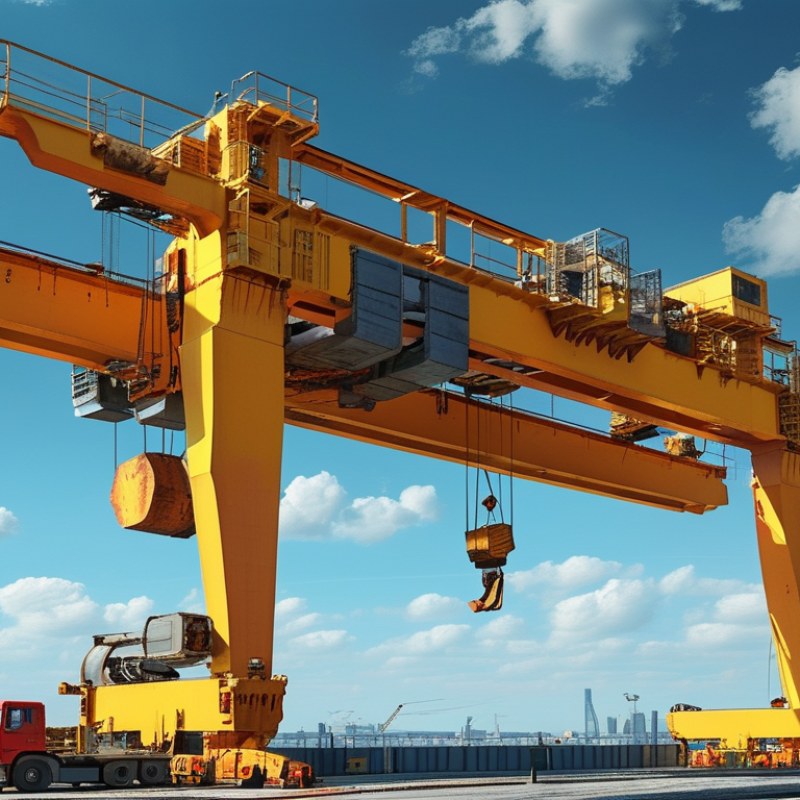
Overhead bridge cranes are essential for various industrial applications. They help lift and move heavy loads across facilities efficiently. Understanding their components is crucial to maximizing their effectiveness. Key parts include the bridge, hoist, and trolley. Each plays a vital role in operation. The bridge spans the workspace, while the hoist lifts and lowers materials. The trolley carries the hoist along the bridge, allowing for better coverage.
According to industry data, improper use of overhead cranes can lead to accidents. Reports indicate that almost 50% of crane-related injuries stem from inadequate training. This underscores the need for thorough instruction on crane components and their functions. Familiarity with the crane’s specifications enhances safety and productivity. Misunderstanding these aspects can result in costly errors, affecting both workers and operations.
In practice, regular inspection and maintenance are necessary. They ensure that all parts function correctly. However, many facilities neglect this important step. Ignoring signs of wear can lead to failures. A proactive approach in monitoring crane conditions can prevent accidents. Operators should be encouraged to reflect on their habits and invest time in learning about their equipment. An informed operator is key to safe and effective use of overhead bridge cranes.
Usage of Overhead Bridge Cranes in Different Industries
Safety Guidelines for Operating an Overhead Bridge Crane
Operating an overhead bridge crane requires strict adherence to safety guidelines. Familiarizing yourself with the crane's controls is vital. Each operator should receive proper training before attempting any lifts. Understanding the weight limits is essential to avoid dangerous malfunctions. An overloaded crane can lead to severe accidents. Ensure you check load ratings regularly.
Always inspect equipment before use. This includes looking for wear and tear on cables and hooks. A small flaw can result in catastrophic failure. Maintain a clear path for movement. Ensure that no obstacles are present that could cause accidents. Keep communication open among team members. A simple shout can prevent a serious mistake.
Be mindful of environmental factors. Wind and weather can affect crane operation. Even slight changes can risk safety. Regularly review safety protocols with your team. Encourage open discussions about potential hazards. Reflecting on past experiences can prevent future errors. Proper safety practices are crucial for successful crane operation.
Step-by-Step Setup of an Overhead Bridge Crane for Projects
Setting up an overhead bridge crane can seem daunting. However, with careful planning and steps, it becomes manageable. Begin by determining the crane's location. Ensure the area is free of obstacles. Measure the space to confirm proper fit. This step is crucial; even a few inches can affect performance.
Next, install the runway beams securely. They must be level and strong. If they are not aligned, the crane could operate inefficiently or unsafely. Attach the end trucks to the beams, allowing the crane to move smoothly. Be attentive to any misalignments during this phase. It could lead to operational issues later.
Finally, test the crane's movement and load capacity carefully. Start with lighter loads. Observe for any irregularities in function. It’s vital to adjust and fine-tune based on these initial tests. Remember, this setup process is iterative and may require several adjustments as you work toward optimal performance.
Best Practices for Loading and Unloading with a Bridge Crane
Loading and unloading with an overhead bridge crane requires attention to detail and adherence to best practices. Proper loading mitigates risks. Operators must ensure a balanced load to prevent tipping. Studies indicate that unbalanced loads can increase the risk of accidents by up to 60%. This highlights the need for careful calculations and load assessments before lifting.
Operators should also maintain a clear area around the crane's operational zone. A study by the Occupational Safety and Health Administration (OSHA) reported that nearly 30% of crane-related injuries occur due to obstructions in the working area. Implementing designated pathways for pedestrians and equipment can enhance safety and efficiency.
Proper communication among team members during loading and unloading is crucial. Clear signals can reduce misunderstandings, which often lead to costly mistakes.
Training is essential. Even experienced operators can overlook vital safety measures. Refresher courses can help reinforce these practices. Moreover, audits of loading processes can identify areas needing improvement, ensuring ongoing safety compliance. A recent report indicated that workplaces engaging in regular audits saw a 25% decrease in incidents. This approach not only promotes safety but also optimizes productivity across projects.
Maintenance Tips to Ensure Optimal Performance of Bridge Cranes
Bridge cranes play a vital role in various industrial projects, making maintenance crucial for their longevity. Regular inspections are essential. Industry reports indicate that up to 38% of crane failures stem from inadequate maintenance practices. Scheduling consistent checks can mitigate unexpected downtimes. Inspect the hooks and slings regularly. These components bear the brunt of lifting loads. Any signs of wear can lead to costly accidents.
Lubrication is another critical aspect. Many crane operators overlook this simple task. Yet, proper lubrication reduces friction and enhances the lifespan of machinery. According to studies, a well-lubricated crane can outperform its poorly-maintained counterpart by nearly 30%. Also, evaluate electrical systems and control panels. Faulty wiring can lead to malfunctions, risking personnel safety.
Training operators on effective usage promotes a culture of safety. Regular workshops can reinforce best practices. Many companies report a 20% reduction in accidents after implementing comprehensive training programs. Even minor errors can lead to significant setbacks. Foster a proactive approach to maintenance, encouraging feedback from operators to identify issues early. This reflection will enhance performance and extend the crane's operational life.