What is an Indoor Crane and How Does It Work?
The indoor crane is an essential tool in various industries, facilitating the efficient movement of heavy materials. According to a report by Market Research Future, the global crane market is projected to reach USD 41.13 billion by 2025, with indoor cranes playing a significant role in this growth. These cranes are designed for factories, warehouses, and construction sites, where space limitations often complicate material handling.
Indoor cranes operate using a system of hoists, pulleys, and tracks, allowing for precise lifting and maneuvering within confined spaces. They can reduce labor costs and increase productivity, making them indispensable. However, improper use can lead to accidents, emphasizing the need for regular training and maintenance. Industry surveys indicate that nearly 30% of crane-related incidents stem from operator error, highlighting the importance of expertise and safety protocols.
In a continually evolving market, understanding how an indoor crane works is crucial for businesses aiming to optimize their operations. By leveraging advanced technologies and adhering to safety standards, companies can maximize efficiency while minimizing risks associated with heavy lifting. This balance of strength and safety defines the role of indoor cranes in modern industry.
What is an Indoor Crane?
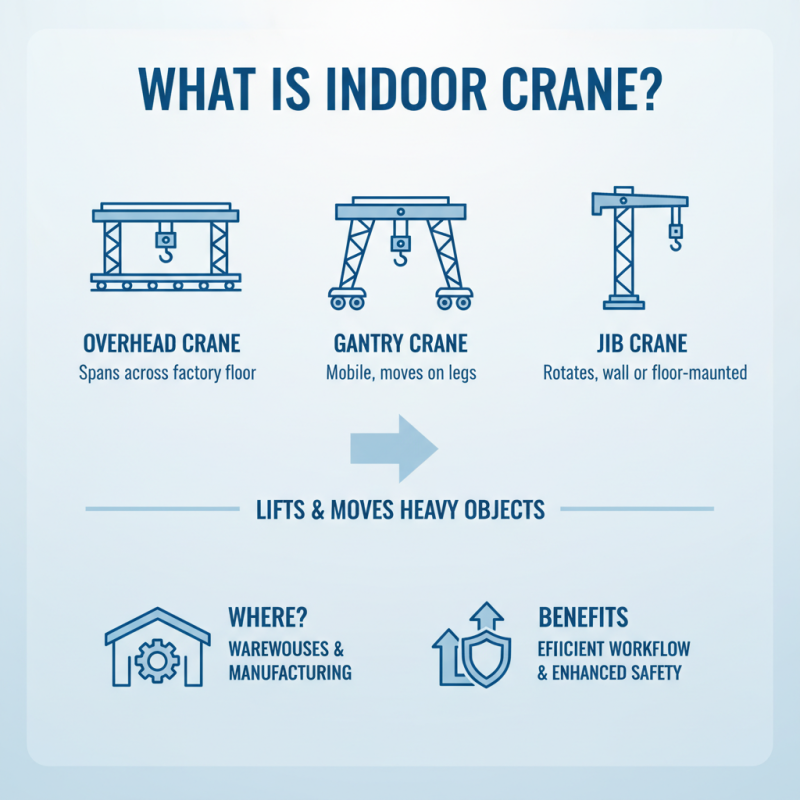
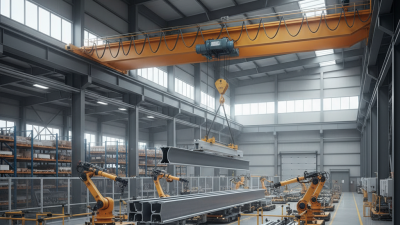
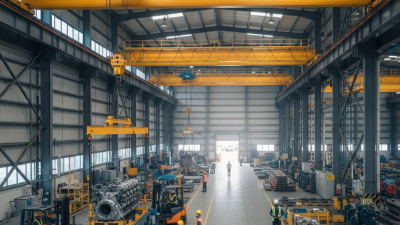
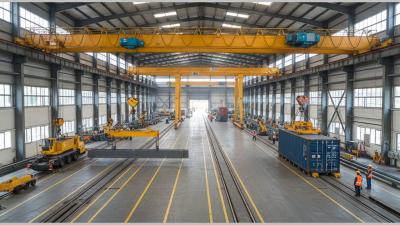
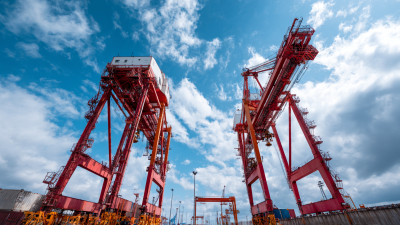
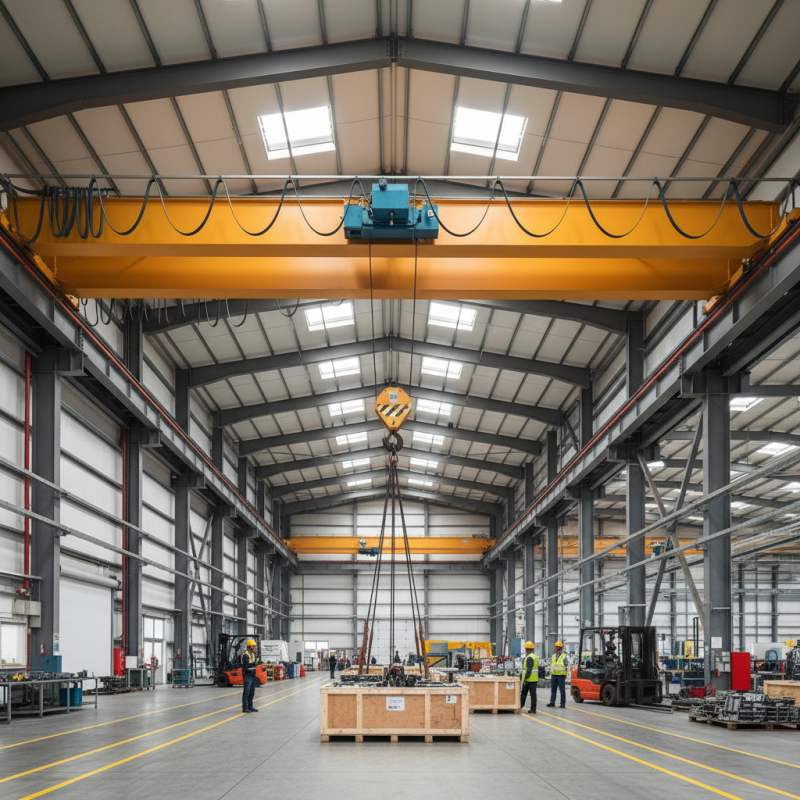
An indoor crane is a specialized lifting device designed for use in confined or indoor spaces. These cranes come in various types, including overhead cranes, gantry cranes, and jib cranes. They help in moving heavy objects efficiently without the need for extensive ground space. Often found in warehouses and manufacturing facilities, these cranes improve workflow and enhance safety.
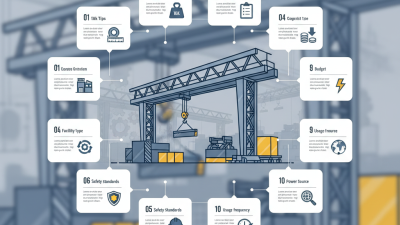
When choosing an indoor crane, it’s essential to consider the specific lifting capacity and height restrictions of your workspace. Assess the weight of items you plan to move. This is critical. Insufficient capacity can lead to accidents. Always check the crane’s specifications before use.
Tips: Regular maintenance is vital for an indoor crane's longevity. Inspect the cables and pulleys often. Safety measures should never be an afterthought. Train all operators thoroughly on safe practices.
Improper use might result in equipment damage or personal injury. Reflect on past experiences with crane operations. Not every situation is straightforward. Mistakes can teach valuable lessons. Always approach lifting tasks with caution and preparation.
Types of Indoor Cranes and Their Applications
Indoor cranes play a vital role across various industries. They are designed to lift and transport heavy loads in enclosed spaces. Understanding the types of indoor cranes can help businesses select the right one for their needs.
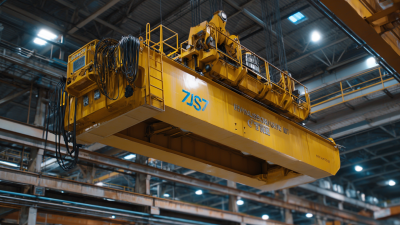
One common type is the overhead crane. These cranes consist of a hoist that moves along a bridge. They are ideal for manufacturing facilities. Their ability to save floor space is a significant advantage. However, they require careful installation and may need regular maintenance to ensure safety.
Another type is the jib crane. This crane offers flexibility with its adjustable arm. Jib cranes are often used in workshops. They allow workers to access different areas easily. However, their load capacity is usually limited. Proper training is essential for users. An overlooked detail can lead to accidents.
What is an Indoor Crane and How Does It Work? - Types of Indoor Cranes and Their Applications
| Type of Indoor Crane |
Load Capacity (Tons) |
Height Range (Feet) |
Common Applications |
| Bridge Crane |
5 - 100 |
15 - 35 |
Manufacturing, Warehousing |
| Gantry Crane |
1 - 10 |
10 - 20 |
Construction, Shipping Yards |
| Jib Crane |
0.5 - 5 |
10 - 15 |
Assembly Lines, Workshops |
| Overhead Crane |
1 - 50 |
12 - 36 |
Steel Mills, Auto Industry |
| Monorail Crane |
0.5 - 2 |
8 - 12 |
Packaging, Light Assembly |
How Indoor Cranes Operate: Mechanisms and Controls
Indoor cranes play a vital role in various industries. They help lift heavy materials and streamline operations. Understanding their mechanisms is important for effective use.
Indoor cranes typically rely on overhead tracks and hoists. These components allow the crane to move vertically and horizontally. The operator controls the crane using a joystick or pendant. This simplicity helps reduce errors in handling loads. However, operators must be trained to ensure safety. Miscommunication during operation can lead to accidents.
Different types of control systems are used, including manual and automated options. Manual systems give the operator direct control. Automated systems can increase efficiency but sometimes lack flexibility. Each system has strengths and weaknesses. Regular maintenance is essential to keep cranes functioning well. Operators should perform checks regularly. Identifying potential issues before they escalate is crucial.
Indoor Crane Operational Efficiency - Monthly Data
This bar chart illustrates the operational hours of an indoor crane over the first six months of the year. It shows how the usage of the crane has fluctuated, with a noticeable increase in operational hours as the year progresses.
Benefits of Using Indoor Cranes in Various Industries
Indoor cranes play a crucial role in various industries by enhancing efficiency and safety. They are widely used in manufacturing, warehousing, and construction settings. According to a report by the Industrial Crane Market, the global indoor crane market is projected to reach $4.7 billion by 2027, with a compound annual growth rate of 6.8%. This growth indicates a rising reliance on these machines.
One of the key benefits of using indoor cranes is their ability to improve workflow. They streamline the movement of heavy materials, reducing the risk of worker injuries. Data from the Occupational Safety and Health Administration shows that material handling incidents account for over 25% of workplace injuries. Implementing indoor cranes can significantly lower these instances, promoting a safer work environment.
Furthermore, indoor cranes optimize space utilization. They can lift loads overhead, freeing up floor space for other activities. This is particularly beneficial in facilities with limited room. A study from the Warehouse Optimization Journal suggests that proper crane integration can increase operational efficiency by up to 30%. However, it is vital to ensure proper training for operators and regular maintenance to avoid accidents. Potential issues with equipment malfunction should not be overlooked, as they can lead to significant operational delays.
Safety Considerations When Using Indoor Cranes
Indoor cranes are essential in various industries for lifting and moving heavy materials. However, safety considerations must take precedence during their operation. According to the Occupational Safety and Health Administration (OSHA), improper crane use accounts for a significant percentage of workplace accidents. In fact, nearly 22% of crane-related fatalities stem from falls, being struck by an object, or equipment failure.
Training operators is crucial. A study by the National Institute for Occupational Safety and Health (NIOSH) indicates that proper training can reduce incidents by up to 70%. Operators should understand load limits, attachment methods, and emergency protocols. Regular equipment inspections are also essential. NIOSH reports that cranes with routine maintenance show a lower failure rate. Ensuring operators conduct pre-lift checks can prevent various hazards.
In industry scenarios, the environment plays a significant role. Factors like uneven surfaces or proximity to other machinery increase risks. A dilapidated warehouse may seem suitable for crane use, but it can lead to malfunction and accidents. Engaging with comprehensive safety programs can help identify these risks early, fostering a safer workplace. Addressing these nuances is key to enhancing indoor crane safety.