What are Over Head Cranes and How Do They Work?
Over Head Cranes are vital in various industries. They help lift and move heavy materials with ease. Understanding their mechanics and applications can greatly enhance operational efficiency.
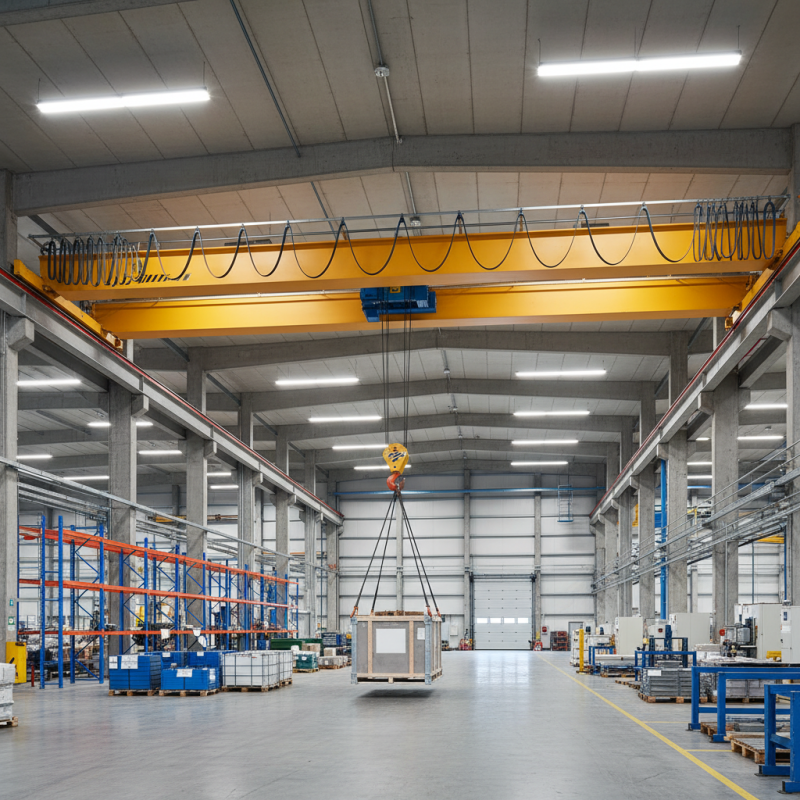
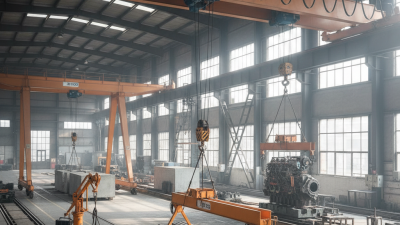
These cranes consist of a bridge that spans a workspace. They run along tracks installed on the ceiling. The lifting mechanism often includes hooks, slings, or other attachments. This design allows for maximum use of floor space. Yet, safety must remain a priority. Operators should be well trained, as accidents can happen.
The versatility of Over Head Cranes is impressive. They can be used in warehouses, factories, or construction sites. However, maintenance is crucial for optimal performance. Regular checks can prevent costly breakdowns. Each time we rely on these machines, we should reflect on their importance and our responsibility in using them safely.
What is an Overhead Crane?
Overhead cranes are essential equipment in various industries. They are designed to lift and move heavy loads across a defined area. Typically found in factories, warehouses, and construction sites, these cranes help streamline material handling. According to industry reports, the global overhead crane market is expected to grow significantly, driven by increasing demand for efficient lifting solutions.
An overhead crane consists of various components, including a hoist, bridge, and trolley. The hoist is responsible for lifting the load, while the trolley moves it horizontally. The bridge spans the workspace, providing support. Safety is crucial. Regular inspections can prevent mechanical failures and accidents. Statistics show that proper maintenance can reduce downtime by up to 30%.
Tips: Always follow safety guidelines when operating overhead cranes. Employees should receive thorough training. Use visual signals for communication. Check weight limits before lifting. Staying alert and cautious can greatly enhance workplace safety. Additionally, review operational procedures regularly to identify potential improvements. Regular reflection on practices can lead to better efficiency and safety outcomes.
What are Over Head Cranes and How Do They Work? - What is an Overhead Crane?
| Dimension |
Description |
| Type |
Bridge Crane |
| Load Capacity |
Up to 100 tons |
| Span Length |
10m to 40m |
| Lifting Height |
Up to 30m |
| Power Source |
Electric or Pneumatic |
| Control Type |
Remote or Cabin Control |
| Typical Applications |
Manufacturing, Shipping, Warehousing |
Key Components of Overhead Cranes
Overhead cranes are vital for material handling in various industries. They lift heavy loads with precision. Understanding their key components is essential for efficient operation. Major parts include the bridge, trolley, hoist, and controls. Each plays a specific role in lifting and moving materials.
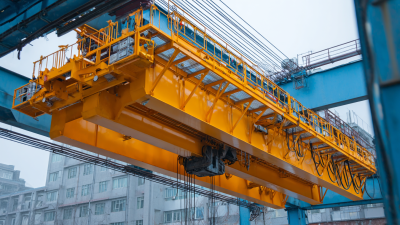
The bridge spans the workspace. It runs on rails, providing stability. The trolley carries the hoist along the bridge. It enables horizontal movement. The hoist itself lifts objects vertically. Data from the Material Handling Industry Association indicates that overhead cranes significantly reduce labor costs. They improve safety by minimizing manual lifting.
Controls are another crucial component. They ensure operators can maneuver the crane from a safe distance. The growing emphasis on automation leads to advanced control systems. However, operators must be properly trained. Improper use can lead to accidents. Industry reports show that poor operator skills contribute to a high percentage of crane-related incidents. It raises the need for continuous training and safety protocols in operations.
Overhead Crane Types and Their Usage
The Mechanism of Overhead Crane Operation
Overhead cranes are essential tools in various industries. They lift and move heavy materials with precision and ease. The mechanism of overhead crane operation mainly involves several key components working together seamlessly. The main parts include the bridge, the trolley, and the hoist. Each part plays a vital role in ensuring safe and efficient operation.
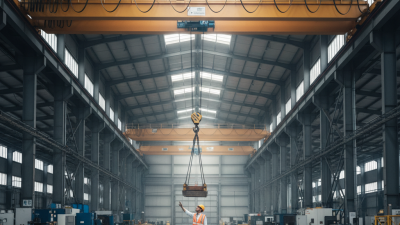
The bridge spans the workspace, supported by end trucks. The trolley moves along this bridge, carrying the hoist. The hoist is the heart of the crane, enabling vertical movements. A report by the Industrial Truck Association noted that over 50% of industrial lifting tasks involve cranes. This demonstrates their significance in material handling.
Tips: Ensure all operators are trained. Safety is paramount in crane operation. Regular maintenance of the equipment is crucial to avoid unexpected failures. Not all cranes operate optimally in every condition. For instance, weather can significantly impact performance. This requires careful monitoring and adjustments. Operators must adapt to different scenarios, improving overall efficiency.
Types of Overhead Cranes and Their Applications
Overhead cranes are essential in many industries. They come in various types, each serving unique purposes. One common type is the bridge crane. It is widely used in factories and warehouses. According to a recent industry report, the global market for overhead cranes is expected to reach $5 billion by 2026. This rapid growth indicates their increasing importance in material handling.
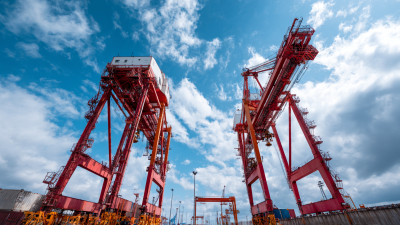
Another type is the gantry crane. These cranes often operate outdoors. They are used for heavy lifting in shipyards and construction sites. A study estimated that gantry cranes can improve efficiency by up to 30% in these settings. Their robust design allows them to handle substantial loads. However, they require careful maintenance to ensure safety.
Jib cranes are another popular option, especially in smaller workshops. They provide localized lifting capabilities. Their compact design fits well in tight spaces. According to industry specialists, jib cranes can reduce labor costs by streamlining workflows. Despite their advantages, users must train operators effectively. Misuse can lead to accidents. Balancing efficiency and safety is crucial in all crane operations.
Safety Considerations in Overhead Crane Usage
Overhead cranes are essential in many industries. However, safety is a significant concern. According to the Bureau of Labor Statistics, crane-related accidents can lead to serious injuries or fatalities. Proper safety measures are crucial to mitigate these risks.
Operators must receive training and certification. This ensures they understand the equipment's limitations. According to OSHA, training reduces accidents by up to 40%. Regular inspections of the cranes are also vital. Maintaining a checklist can identify potential issues early.
Tips: Always wear safety gear. This includes helmets and gloves. Stay aware of your surroundings. Communicate effectively with team members. Use hand signals to avoid confusion.
Even with precautions, accidents can happen. Human error remains a concern. According to a study by the National Safety Council, operator error accounts for 65% of crane incidents. Regular refresher training can help address this issue. An open dialogue about safety concerns among workers is also important.