Overhead Bridge Crane Buying Tips for Global Buyers?
When considering an investment in an Overhead Bridge Crane, buyers must approach the process with a keen understanding of their specific needs. These cranes have become integral to various industries, with the global market projected to reach $4.35 billion by 2027, according to a recent report by Industry Research. Industry trends reveal that safety and efficiency are top priorities for buyers. However, choosing the right crane involves more than just looking at price tags.
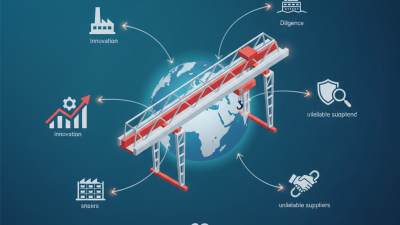
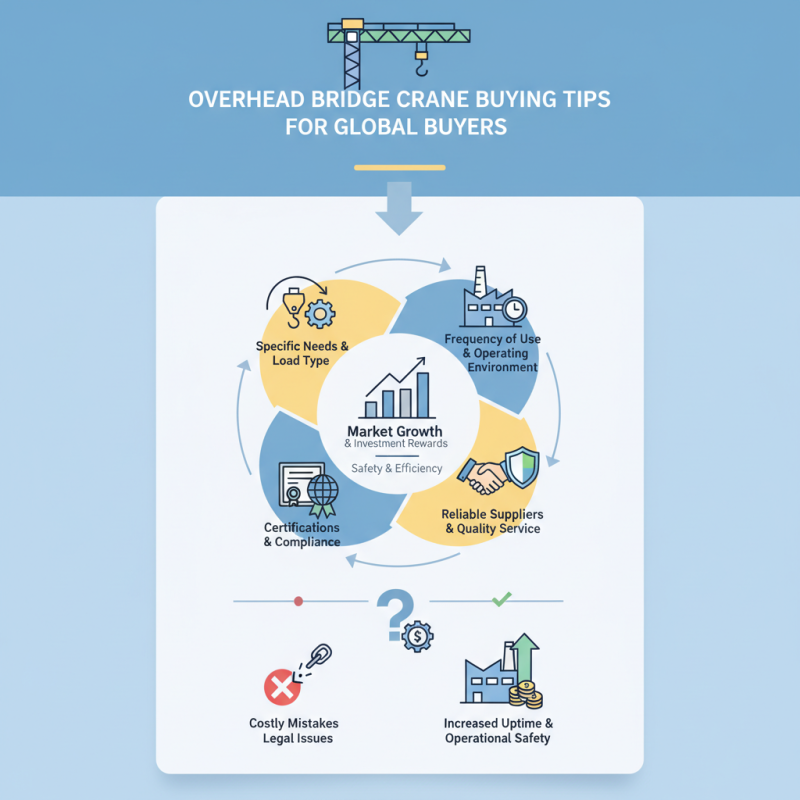
Many potential buyers overlook crucial factors. The type of load, frequency of use, and specific operating environment demand careful consideration. For example, heavy-duty applications may require specialized features. Neglecting to assess these requirements can lead to costly mistakes. It's essential to find reliable suppliers who prioritize quality and service. The market features a wide variety of manufacturers. Selecting the wrong one could impact maintenance costs and operational safety.
In addition, global buyers should be aware of the importance of certifications and compliance. Many regions have strict safety regulations. Failing to meet these standards can lead to legal issues and increased liability. In this evolving landscape, investing time and resources into understanding the nuances of Overhead Bridge Cranes can provide significant rewards.
Essential Specifications to Consider for Overhead Bridge Cranes
When considering the purchase of an overhead bridge crane, several essential specifications must be assessed. Load capacity is crucial; determining the maximum weight the crane needs to lift is the first step. Ensure that the crane can handle future demands by opting for a model with a higher capacity than your current needs.
Another vital specification is the span, which refers to the distance between the crane's supports. This measurement influences how efficiently the crane can operate in your facility. A narrow span may limit functionality, while an excessively wide span might lead to stability issues. Assessing the dimensions of your workspace is key.
Finally, look into the power supply. Cranes can operate on electric, hydraulic, or manual power. Each has its pros and cons related to energy efficiency and operational costs. Remember that maintenance requirements vary significantly among different types of cranes.
Tip: Always conduct a thorough site assessment before purchasing. Identify potential obstacles and restrictions. This step can prevent costly changes later on. Test various crane operations to ensure compatibility with your processes.
Understanding Different Types of Overhead Bridge Cranes Available
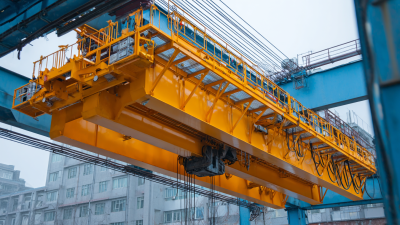
When exploring overhead bridge cranes, understanding the types available is crucial. There are various designs, including single girder and double girder cranes. Single girder cranes are widely used for lighter loads and smaller spans. They are often more cost-effective and easier to install. In contrast, double girder cranes can lift heavier loads and accommodate larger spans, making them ideal for industrial applications. According to a market analysis report by Research and Markets, the global overhead crane market is expected to grow significantly, projecting a compound annual growth rate (CAGR) of 4.5% by 2025.
Electric overhead travelling cranes (EOT) have gained popularity due to their efficiency and ease of operation. These cranes are powered by electric motors, allowing precise control of heavy loads. Studies indicate that EOT cranes can improve productivity by up to 30% compared to manual handling systems. However, potential buyers should be cautious about the maintenance requirements. An overlooked maintenance schedule can lead to costly downtime and repairs. Users must balance initial cost against long-term performance and reliability.
Choosing the right crane involves assessing specific operational needs and considering safety features. Some cranes come equipped with advanced technologies like anti-collision systems. However, incorporating such features often increases the total investment. Buyers should evaluate whether these enhancements align with their operational budget. Understanding these dynamics can help buyers make informed decisions in their crane selection process.
Types of Overhead Bridge Cranes and Their Common Capacities
Evaluating Vendor Credentials and Reputation in the Crane Industry
When evaluating vendor credentials in the crane industry, it’s essential to look for specific indicators of reliability. Industry reports indicate that around 80% of crane failures stem from improper maintenance and insufficient operator training. This highlights the importance of choosing a vendor that provides comprehensive training and support. Check if they have certifications from relevant industry bodies. These certifications often reflect a vendor's commitment to safety and quality.
Vendors with a solid reputation typically have client testimonials or case studies available. Engaging with past customers can reveal their experiences and the vendor’s responsiveness to challenges. According to a survey, 60% of clients value after-sales support as a critical factor in vendor selection. Also, consider the vendor’s years of operation. A company with more than ten years in the industry is often more reliable.
Transparency is another aspect to watch for. Vendors should provide clear documentation regarding their processes and quality control measures. Reports suggest that about 40% of clients encounter issues due to lack of information on equipment sourcing and standards. Thus, take the time to ask questions. A good vendor should willingly share details explaining how their machinery meets safety regulations and operational efficiency standards.
Key Safety Features to Look for in Overhead Bridge Cranes
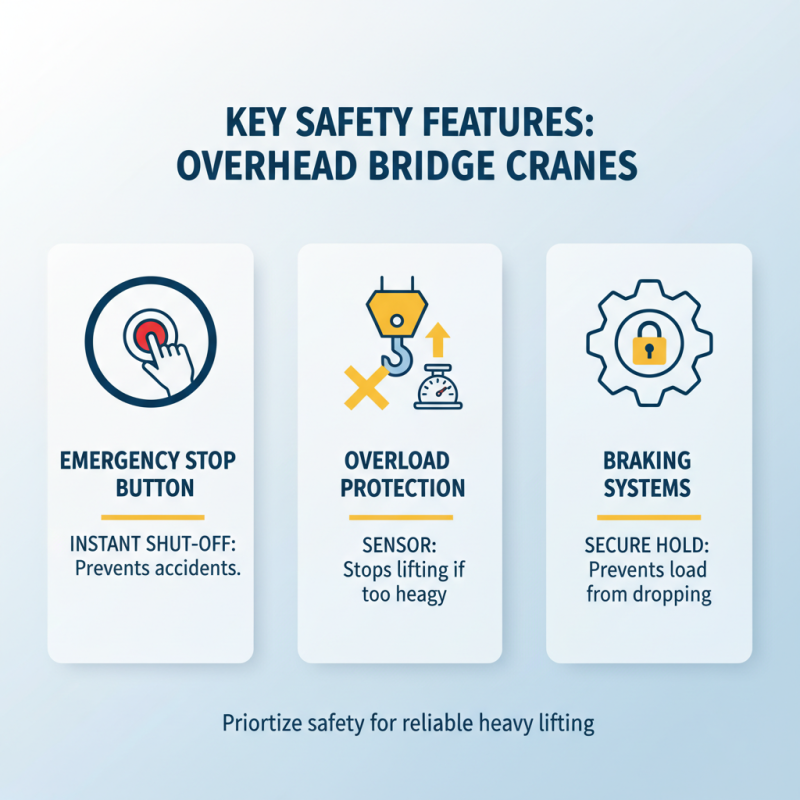
When purchasing an overhead bridge crane, safety features should be a top priority. These cranes lift heavy loads, so having reliable safeguards is essential. Look for cranes equipped with emergency stop buttons. These buttons allow operators to halt the crane’s actions instantly. In case of an unexpected situation, quick access to this button can prevent accidents and injuries.
Another critical safety feature is an overload protection system. This system prevents the crane from lifting beyond its maximum capacity. Overloading can lead to equipment failure and dangerous situations. Inspect the crane’s specifications to ensure this feature is included. Regular testing of the system is also advisable to maintain its effectiveness over time.
Consider the visibility of the operator's cabin, too. A well-designed cabin allows for better sightlines, minimizing blind spots. This enhances situational awareness and reduces the likelihood of collisions. Ensure the crane design incorporates ample visibility to safeguard both the operator and surrounding workers. By prioritizing these safety features, buyers can make informed decisions that enhance operational safety.
Tips for Comparing Pricing and Warranty Options for Global Buyers
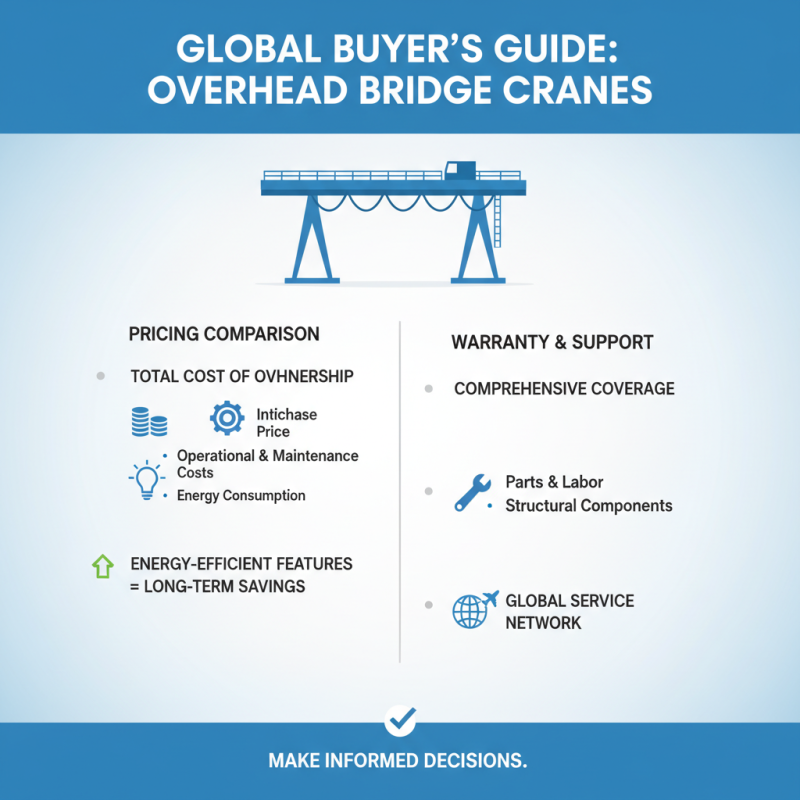
When comparing pricing for overhead bridge cranes, buyers should consider the total cost of ownership. The initial purchase price is just one factor. It’s essential to analyze operational costs, maintenance expenses, and energy consumption. Look for options that include energy-efficient features. These may save money over time, despite a higher upfront cost.
Evaluating warranty options is equally vital. A robust warranty can be a safety net. It often reflects the manufacturer's confidence in their product. Pay attention to the duration of the warranty and what it covers. Some warranties may only cover parts, while others include labor. This could significantly affect your long-term expenses.
Don't ignore the importance of transparency in pricing. Some manufacturers may quote low prices but include hidden fees later. Request a detailed breakdown before making a decision. Always verify customer reviews and ratings for manufacturers. This can offer insights into reliability and service quality. Balancing these factors will lead to a more informed and beneficial purchase.