What is Overhead Bridge Crane and How Does it Work?
An Overhead Bridge Crane is a vital piece of equipment in many industrial settings. It consists of a horizontal beam supported by two vertical rails. This system allows for the lifting and transporting of heavy loads across a broad area. Many factories rely on these cranes to enhance efficiency.
Understanding how an Overhead Bridge Crane operates is crucial. It typically features a trolley that moves along the beam. This design enables smooth movement and precise positioning of materials. Safety mechanisms are also in place to prevent accidents. However, proper training is essential for operators to minimize risks.
Overhead cranes can enhance productivity, but they also pose challenges. Operators must regularly inspect and maintain these systems. Ignoring maintenance can lead to costly breakdowns. Each facility must evaluate its crane usage to ensure the best practices are followed. It's important to remember that safety and efficiency go hand in hand when using an Overhead Bridge Crane.
What is an Overhead Bridge Crane?
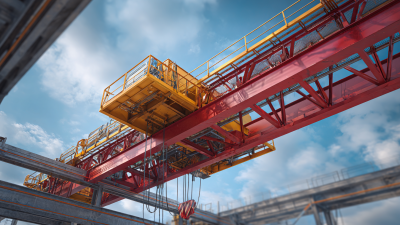
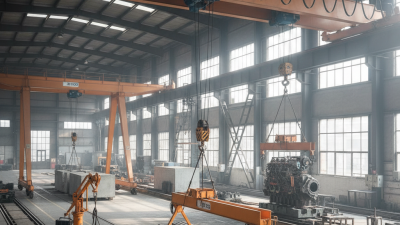
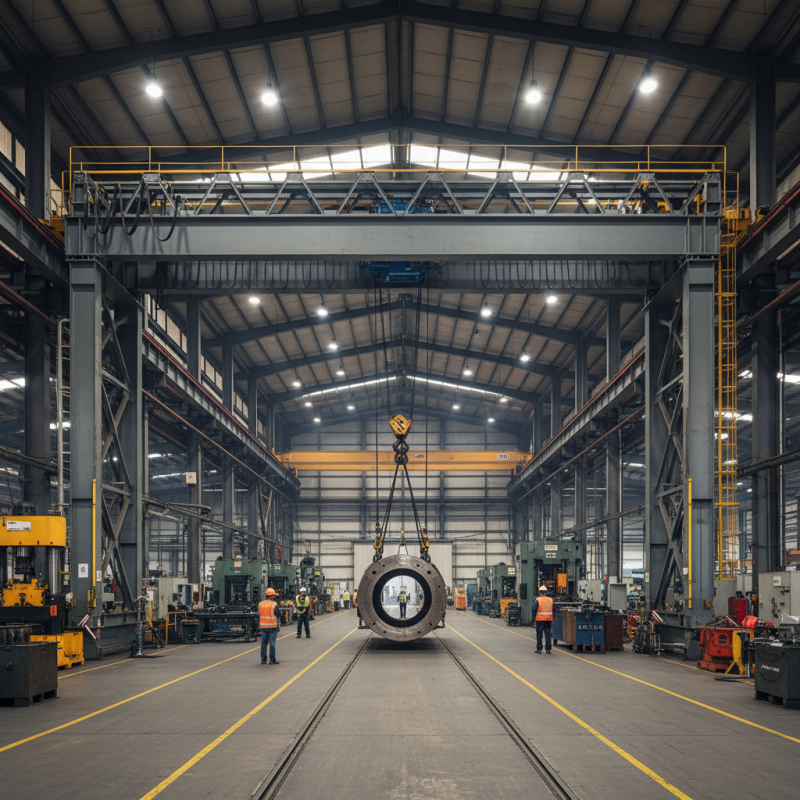
An overhead bridge crane is a powerful tool used in various industries. It consists of a horizontal beam, or bridge, that moves along elevated tracks. This crane can lift heavy materials effortlessly. It is often found in warehouses, manufacturing facilities, and shipping yards. The design allows for a more efficient workspace, as it doesn’t require floor space.
When considering an overhead bridge crane, safety is essential. Ensure proper training for operators. Regular maintenance is crucial to prevent equipment failures. Cranes should be inspected frequently, focusing on cable integrity and connection points. Wear and tear can lead to accidents if ignored.
In addition, it’s important to choose the right lifting capacity. Overestimating can lead to unnecessary costs. Underestimating can result in dangerous situations. Understand the workload and choose equipment accordingly. Planning and preparation are key to successful crane operations. Avoid shortcuts and always prioritize safety and efficiency.
What is Overhead Bridge Crane and How Does it Work?
| Feature |
Description |
| Definition |
An overhead bridge crane is a type of crane that is typically used in industrial environments to lift and move heavy loads horizontally and vertically. |
| Structure |
It consists of two or more horizontal beams (the girders) that traverse the width of a building, supported by vertical columns. |
| How It Works |
The crane operates through a system of pulleys and a motor that controls the lifting and lowering of materials via a hoist. |
| Applications |
Used in warehouses, manufacturing plants, and construction sites for material handling, assembly, and movement of heavy items. |
| Benefits |
Increase efficiency, reduce labor costs, and improve safety in the workplace while handling heavy materials. |
| Types |
Common types include top-running, under-hung, and gantry cranes, each suitable for different applications and environments. |
| Maintenance |
Regular inspections, lubrication, and timely repairs are essential for safe and efficient crane operation. |
Key Components of Overhead Bridge Cranes
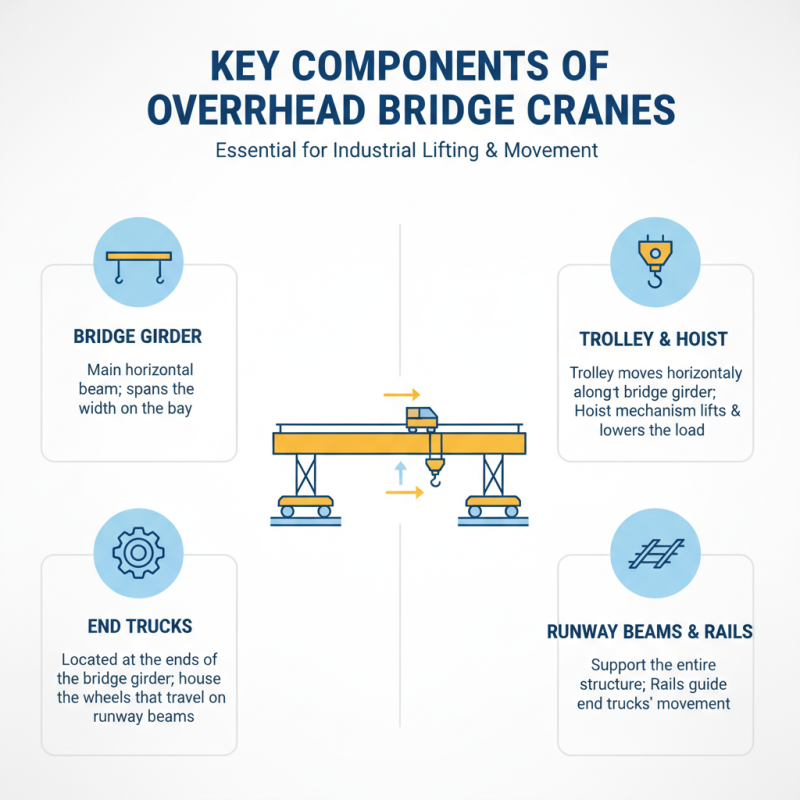
Overhead bridge cranes are essential in various industrial sectors. They help lift and move heavy loads efficiently. A typical overhead bridge crane consists of several key components, each playing a crucial role in its operation.
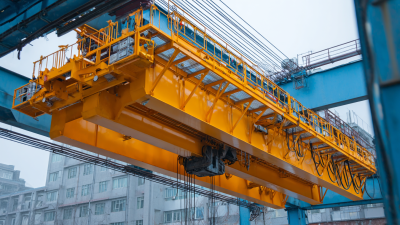
The main component is the bridge, which spans the width of the workspace. It supports the hoist and allows it to travel along the length. The hoist, another vital part, is responsible for lifting and lowering heavy materials. According to industry reports, the global overhead crane market is expected to grow at a CAGR of 5.2% from 2021 to 2026. This growth highlights the increasing reliance on cranes for efficient material handling.
Additionally, the runway system supports the bridge and allows smooth movement. Wheels, typically made from hardened steel, must endure significant loads. Regular maintenance of these components is critical. Poor maintenance can lead to failures and safety hazards, and that’s often overlooked. Understanding these key elements can enhance operational efficiency and safety in any industrial setting.
How Overhead Bridge Cranes Operate: A Step-by-Step Guide
Overhead bridge cranes are essential for various industrial applications. These powerful machines lift and move heavy loads with precision. Understanding how they operate is crucial for safe and efficient use.
The operation of an overhead bridge crane involves several key components. The bridge spans the width of the workspace and moves along rails. The hoist, positioned on the bridge, lifts loads vertically. According to industry reports, cranes can lift weights ranging from a few tons to over 100 tons. Each crane is designed to handle specific load requirements, impacting overall safety and efficiency.
Operators must undergo training to ensure safe handling of these machines. Improper use can lead to accidents. Regular maintenance is also necessary to prolong lifespan and enhance safety. Reports indicate that about 50% of crane accidents are due to operator error. Therefore, investing in ongoing training and maintenance is vital for reducing risks associated with crane operations. Understanding these operational points can lead to better practices and safety measures in industries using overhead bridge cranes.
Common Applications of Overhead Bridge Cranes
Overhead bridge cranes are essential in various industries. They lift heavy loads, enhancing productivity and safety in the workplace. These cranes are commonly used in warehouses, manufacturing facilities, and construction sites. Their ability to move materials quickly makes them invaluable in busy environments.
In manufacturing, overhead cranes assist in assembling large equipment. They streamline workflows, reducing downtime. In warehouses, they optimize space by lifting products to high shelves. Construction sites also benefit from these cranes for moving heavy materials like steel beams and concrete blocks. Despite their many advantages, operators must be well-trained to ensure safety. Mistakes can lead to accidents or equipment damage.
While overhead bridge cranes improve efficiency, not all operations fully utilize their potential. Sometimes, inadequate maintenance or operator errors occur, leading to inefficiencies. Regular checks and training can help mitigate these issues. The balance of productivity and safety must always be considered. The right approach can harness the full benefits of these cranes in different applications.
Safety Measures and Maintenance for Overhead Bridge Cranes
Overhead bridge cranes play a crucial role in many industries. They help lift heavy loads safely and efficiently. However, proper safety measures and maintenance are essential to ensure their effectiveness and longevity. Operators must be trained in safety protocols to reduce the risk of accidents. Regular inspections should be scheduled to identify potential issues. Safety gear, such as hard hats and gloves, is a must for all personnel involved.
In addition, the environment where cranes operate should be monitored. Dust, moisture, and debris can affect performance and safety. Keeping the area clean helps maintain a safe workspace. It's important to communicate clearly among team members, especially during complex lifts. Miscommunication can lead to accidents, so regular meetings may be helpful.
Maintenance routines are often overlooked, yet they are vital. Lubricating moving parts can prevent wear and tear. Inspecting cables and hooks can avert catastrophic failures. Sometimes, crews may skip checks due to time constraints. This tendency can lead to serious risks. Regularly scheduled maintenance not only ensures safety but also enhances efficiency. Fostering a safety-first culture will ultimately benefit everyone involved.