Top 10 Eot Crane Manufacturers You Must Know?
The demand for Eot Cranes is growing rapidly in various sectors, including manufacturing, construction, and logistics. According to industry reports, the global crane market is expected to reach USD 50 billion by 2025. This growth is largely driven by the need for efficient material handling solutions. Eot Cranes, known for their ability to lift heavy loads, play a crucial role in enhancing productivity.
Top manufacturers have emerged as key players in this competitive landscape. Companies like Konecranes, Demag, and Terex are recognized for their innovation and reliability. Their advanced technology ensures safety and efficiency in operations. However, choosing the right Eot Crane manufacturer can be challenging due to the numerous options available.
It's essential to consider factors such as product quality, service support, and pricing. Some manufacturers excel in durability, while others offer advanced features. As the industry evolves, companies must reflect on their choices and adapt to new technologies. In this context, understanding the top Eot Crane manufacturers can be instrumental in ensuring successful projects.
Overview of Eot Cranes and Their Applications
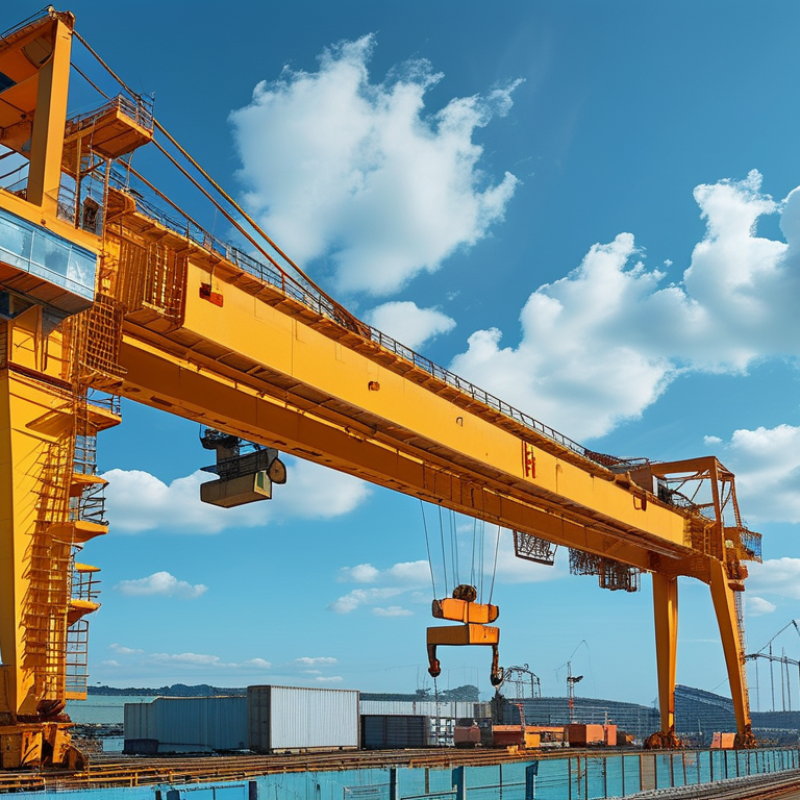
EOT cranes, or Electric Overhead Traveling cranes, play a crucial role in various industries. They are essential in manufacturing, construction, and logistics sectors. These cranes enhance operational efficiency and safety in lifting heavy loads. According to industry reports, the global market for cranes is projected to grow significantly, with a CAGR of 5.6% expected from 2021 to 2028. This growth emphasizes the increasing demand for advanced lifting solutions.
The versatility of EOT cranes is notable. They can be used for tasks ranging from assembling large machinery to transporting heavy materials. Their ability to operate in tight spaces sets them apart from other lifting equipment. These cranes are equipped with advanced control systems and safety features, ensuring a reliable performance. However, despite these advancements, the risk of malfunction remains a concern. Regular maintenance is crucial to avoid downtime and ensure safety.
In terms of energy efficiency, EOT cranes are increasingly designed to minimize their environmental impact. Innovative designs and materials are being introduced to optimize performance. However, user training and proper operational practices are essential to maximize these benefits. Ignoring operator training can lead to accidents and equipment damage. Thus, investing in operator education is as important as the crane itself.
Criteria for Selecting a Reliable Eot Crane Manufacturer
When selecting a reliable Eot crane manufacturer, it’s crucial to consider several key criteria.
Durability is paramount.
According to industry reports, cranes that meet standard safety regulations have a lower failure rate, enhancing overall performance and lifespan.
Look for manufacturers that provide detailed specifications and testing results. This transparency reflects their commitment to quality and safety.
Another vital factor is customer support.
A manufacturer should offer robust after-sales service.
Data shows that companies with strong support systems experience fewer operational disruptions.
Potential clients should inquire about warranty terms and maintenance services.
Having a dedicated support line is a significant advantage.
Tips: Always request a factory tour.
Observing manufacturing processes can reveal a lot about their quality control.
Additionally, gather user testimonials to gauge satisfaction levels.
Comparing multiple manufacturers helps in making an informed decision.
Lastly, ensure they comply with local and international standards.
Avoiding shortcuts in safety can save future costs and enhance reliability.
Top 10 Eot Crane Manufacturers: Shortlist and Profiles
In the EOT crane industry, several manufacturers stand out. These companies are crucial for various sectors such as construction, manufacturing, and logistics. According to a recent industry report, the global market for EOT cranes is projected to reach $4 billion by 2025. This growth highlights the high demand for reliable and efficient lifting equipment.
Many manufacturers focus on both quality and innovation. Their cranes often feature advanced safety mechanisms and enhanced performance metrics. However, not all manufacturers meet the same standards. Some companies struggle with quality control and customer support. Consistent feedback from industry professionals suggests that reliability in after-sales service is as vital as the product itself.
Moreover, operational efficiency can vary significantly between manufacturers. Some EOT cranes may promise high lifting capacities but fall short under continuous operation. Investing in cranes from reputable sources is essential. Entering partnerships with established companies may yield better long-term results. Still, buyers should conduct thorough research before making investments to avoid pitfalls. Understanding market dynamics is key to selecting the right partner in the EOT crane landscape.
Innovative Technologies in Eot Crane Manufacturing
The Eot crane industry is rapidly evolving due to innovative technologies. These advancements are reshaping how cranes are designed and operated. For instance, the integration of IoT sensors enhances crane monitoring. Real-time data collection helps identify issues before they escalate, improving safety and efficiency. Workers can use mobile apps to receive alerts about crane performance. This technology minimizes downtime and increases productivity.
Moreover, advancements in materials science play a crucial role. Lightweight and durable materials reduce the overall weight of cranes. This innovation allows for higher lifting capacities. Robotics also make an impact by automating assembly processes. Automation leads to more precise manufacturing and consistent quality. Despite these advancements, challenges remain. Not all manufacturers have access to cutting-edge technology. Smaller companies may struggle to compete without significant investment.
Sustainability is another key focus in crane manufacturing. Energy-efficient motors and environmentally friendly materials are becoming vital. However, the transition is not always smooth. Manufacturers may face hurdles in sourcing these sustainable materials. Adapting to these changes requires time and effort. As the industry moves forward, embracing these innovative technologies will be essential for competitiveness.
Future Trends in the Eot Crane Industry and Manufacturing
The EOT crane industry is evolving rapidly. Key trends include automation and smart technologies. These advancements are making cranes safer and more efficient. Remote operation and IoT integration are becoming standard. Automation reduces human error, enhancing safety on job sites. However, it raises concerns about job displacement in the industry.
Sustainability is also a growing focus. Manufacturers are exploring eco-friendly materials and energy-efficient designs. Reducing carbon footprints is essential. However, achieving this balance remains challenging. Companies must navigate costs while investing in greener technologies.
Demand for customized solutions is rising. Industries require cranes tailored to their unique needs. This shift requires adaptability from manufacturers. While offering customization can enhance market presence, it complicates production processes. Meeting these demands will test the industry's innovation and resilience.