Why Choose a Portable Gantry Crane for Your Business Needs?
In today's dynamic business environment, choosing the right equipment is paramount. A Portable Gantry Crane can significantly enhance operational efficiency. This versatile tool is ideal for various applications, from construction to manufacturing. With its mobility and ease of setup, it fits into various spaces, making it essential for many businesses.
Portable Gantry Cranes come with a range of benefits. They are designed for quick assembly and dismantling, which saves time. Their lightweight structure allows for easy transportation between jobs. This mobile nature supports businesses that require flexibility without compromising on strength and stability. However, potential users must consider load capacities and safety features carefully.
Not all Portable Gantry Cranes are created equal. Some may lack durability or sufficient lifting power for heavy loads. Investing in reliable options is crucial for optimal performance and safety. Users should seek products from reputable manufacturers to ensure they meet industry standards. The right Portable Gantry Crane can transform how tasks are conducted, ultimately leading to improved productivity and growth.
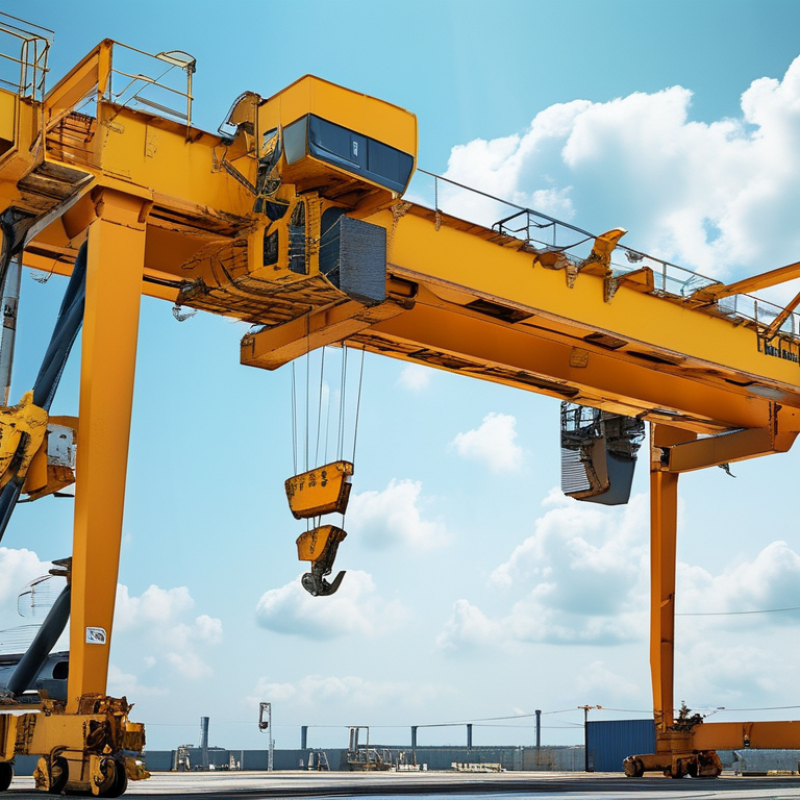
Benefits of Using a Portable Gantry Crane in Various Industries
Portable gantry cranes have become essential tools across various industries. Their adaptability allows businesses to handle heavy loads without needing permanent installations. This flexibility is crucial for companies working in tight spaces or varied project sites. For example, a construction firm can quickly relocate the crane as the project progresses, saving valuable time.
In manufacturing, portable gantry cranes enhance productivity by streamlining operations. They enable workers to move equipment and materials efficiently. This movement minimizes the risk of injuries associated with lifting heavy items manually. However, businesses must assess their weight limits and stability. Proper training is vital to ensure safe usage.
The benefits extend to maintenance sectors as well. These cranes facilitate easy access to machinery for repairs. Technicians can lift components without needing extensive rigging. Yet, this can also lead to potential overconfidence in staff. Regular inspection and maintenance of the crane are essential to avoid accidents. Balancing efficiency with safety creates a more effective work environment.
Benefits of Using a Portable Gantry Crane in Various Industries
Key Features to Consider When Selecting a Portable Gantry Crane
When selecting a portable gantry crane, key features can significantly impact efficiency.
Weight capacity is crucial. Determine what loads you will be lifting.
A crane with a higher weight capacity than necessary can provide a margin of safety.
Materials used in construction also matter. Steel cranes are often more robust than aluminum ones, but they can be heavier.
Balance this aspect with portability.
Adjustability is another important feature. Being able to modify the height and width can greatly enhance versatility.
Some cranes allow for easy adjustments, making them suitable for various tasks.
Consider the ease of assembly as well. A crane that assembles quickly saves time on job sites, but ensure it’s still stable and secure.
Portability comes with its own challenges. A lightweight crane may be easier to move, but verify its stability during use.
Look for features like wheel locks to ensure safety.
Lastly, think about storage. Does the crane collapse easily for transport or storage?
These considerations can ultimately affect efficiency and safety in your operations.
Comparison of Portable Gantry Cranes and Traditional Lifting Equipment
When considering lifting equipment, portable gantry cranes offer distinct advantages over traditional options. Their versatility is one major benefit. Most portable gantry cranes can be easily assembled and disassembled, allowing for transport and setup at various job sites. This flexibility is particularly useful in industries where tasks frequently change locations, such as construction and maintenance.
In contrast, traditional lifting equipment often requires a fixed installation. This can limit its use and necessitate more space. Additionally, fixed systems may demand more extensive safety measures and maintenance routines, which can complicate operations. Portable cranes, on the other hand, tend to be user-friendly, making them accessible for both expert operators and novices alike. However, it's essential to reflect on potential drawbacks. They may not have the same lifting capacity as larger, stationary cranes. Understanding these limitations is critical for effective planning.
While portable gantry cranes excel in versatility, they can feel less robust than traditional systems. Users should assess their specific lifting needs carefully. Balancing factors like space, weight capacity, and operational frequency is vital. Proper evaluation ensures that the chosen equipment aligns with business requirements, enhancing productivity while weighing these important considerations.
Safety Considerations for Operating Portable Gantry Cranes
Portable gantry cranes offer versatility and mobility, making them ideal for various business operations. However, it is crucial to prioritize safety when using these cranes. According to industry reports, approximately 25% of workplace accidents involve lifting equipment. Ensuring proper safety measures can significantly reduce these risks.
When operating a portable gantry crane, assessing the load capacity is vital. Overloading can lead to crane failure and accidents. Familiarize operators with weight limits and appropriate lifting techniques. Training programs can enhance operator skills. Adequate training reduces the likelihood of mishandling.
Tips: Always conduct daily inspections before use. Check for structural integrity and wear. Implement a clear communication protocol among team members during lifting tasks. Regular safety audits can reveal potential hazards and improve overall safety compliance. Remember, safety equipment is non-negotiable; hard hats, gloves, and safety shoes should be standard on-site.
Engaging in these practices not only protects workers but also enhances productivity. Businesses can enjoy greater efficiency when safety is prioritized. Ignoring these aspects can lead to costly accidents and downtimes. Regular assessments and diligent practices foster a safer working environment.
Cost-Effectiveness and Return on Investment of Portable Gantry Cranes
Portable gantry cranes offer unique advantages for various industries, particularly in terms of cost-effectiveness and return on investment (ROI). According to industry data, businesses can save up to 30% on labor costs by using these cranes for material handling. This is significant, especially for small to medium-sized enterprises with tight budgets. By simplifying the lifting and moving process, companies can optimize their operational efficiency while reducing the risk of injury.
Moreover, the initial investment in a portable gantry crane can be recouped within a couple of years, thanks to increased productivity. Research by industry analysts indicates that businesses see an average ROI of 150% within three years of purchase. This is due to enhanced workflow and decreased machine downtime. Portable gantry cranes are versatile, requiring less maintenance compared to traditional lifting systems. This can lead to further savings since fewer repairs and parts replacements are necessary.
However, it's essential to consider the limitations. Training staff to operate these cranes safely is crucial, as improper use can lead to accidents. Additionally, not all portable cranes are designed for heavy-duty tasks. Businesses should assess their specific needs before investing. Balancing the benefits with potential pitfalls will lead to informed decision-making that aligns with long-term goals.
Why Choose a Portable Gantry Crane for Your Business Needs? - Cost-Effectiveness and Return on Investment of Portable Gantry Cranes
| Criteria |
Portable Gantry Crane |
Traditional Overhead Crane |
Cost-Effectiveness |
Return on Investment (ROI) |
| Initial Cost |
$2,500 - $5,000 |
$15,000 - $50,000 |
High |
High |
| Maintenance Cost |
Low |
Medium to High |
Low |
Short-Term Gains |
| Flexibility |
Highly Portable |
Fixed Location |
Very High |
Quick ROI |
| Weight Capacity |
0.5 - 2 tons |
1 - 20 tons |
Moderate |
Long-Term Investment |
| Setup Time |
Less than 15 minutes |
Hours to Days |
Very High |
Instant Value |