How to Choose the Right Overhead Crane for Your Business Needs?
Choosing the right overhead crane is crucial for any business. It can determine efficiency and safety in operations. Renowned industry expert John Smith states, "A well-chosen overhead crane enhances productivity."
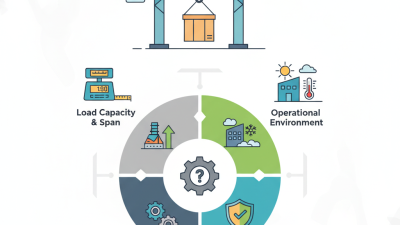
Overhead cranes come in various types and configurations. Each is suited to specific needs. Businesses must evaluate their weight capacities, lifting heights, and workspace layouts. Understanding these factors is essential. Skimping on this assessment can lead to costly errors.
Additionally, one must consider the operational environment. Factors such as temperature, humidity, and potential hazards play a role. These aspects can impact the crane's performance and longevity. Proper planning reflects a commitment to quality and safety. In the world of overhead cranes, the right choice can lead to significant improvements in workflow. Avoiding common mistakes means a thorough review of options. Making an informed decision is key.
Understanding Different Types of Overhead Cranes and Their Applications
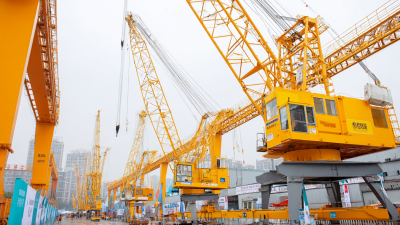
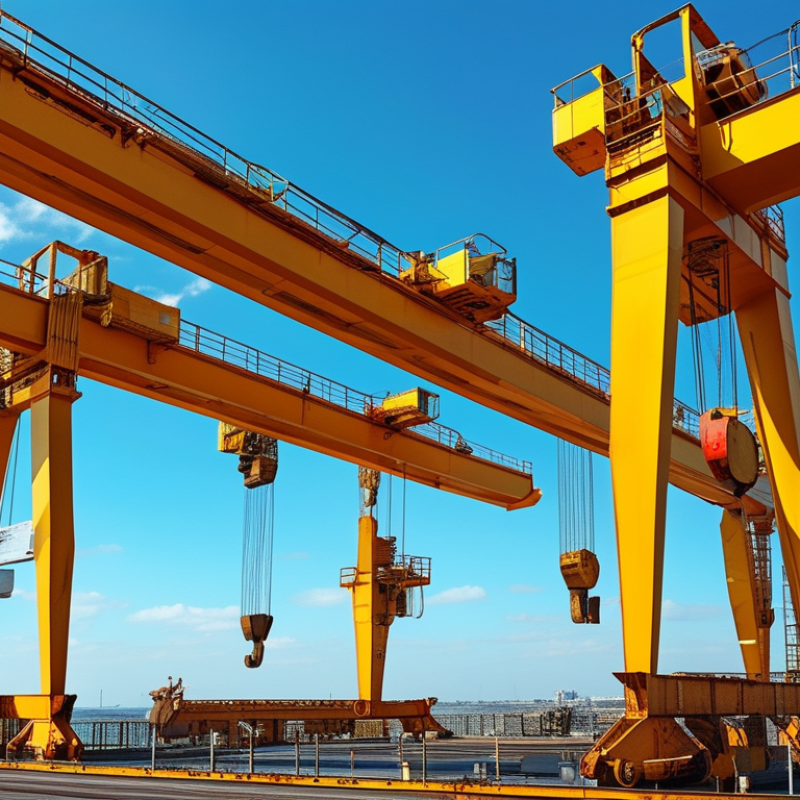
Understanding the various types of overhead cranes is crucial for any business that Requires lifting heavy materials. The main types include bridge cranes, gantry cranes, and jib cranes. Each type serves unique purposes and applications based on load weight, workspace layout, and environmental conditions.
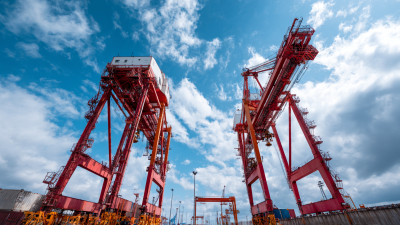
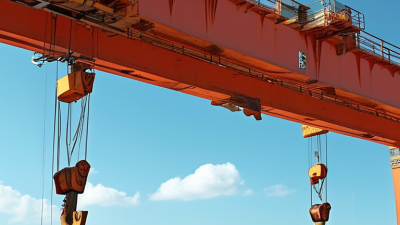
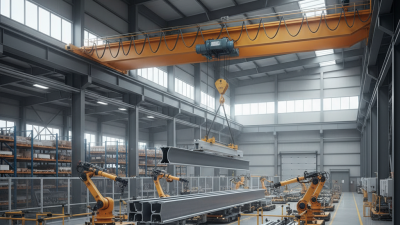
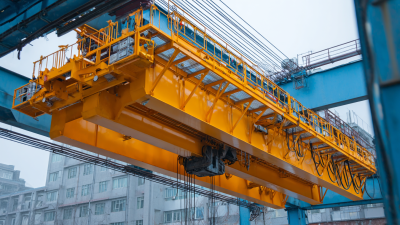
Bridge cranes are common in manufacturing and warehouse settings. They provide high lifting capacity and great horizontal reach. Gantry cranes are more versatile. They can be employed outdoors for unloading shipping containers or in tight spaces where bridge cranes cannot fit. Jib cranes are ideal for smaller tasks and offer maneuverability in constrained areas. According to a report by Market Research Future, the overhead crane market is expected to grow significantly, reflecting rising demand across industries.
Tip: Assess your facility layout before selecting a crane. The height and width of your workspace will dictate the type of crane you can install. Overhead clearances and load paths are crucial considerations.
Another aspect to examine is the required lifting capacity. Some operations might require lifting heavier loads than anticipated. Underestimating this need can lead to costly mistakes. Consult with industry experts to define your lifting requirements accurately.
Tip: Maintenance is essential. Regular checks can prevent accidents and prolong the crane's lifespan. Ensure that operators are trained and understand safety procedures fully.
Evaluating Load Capacity Requirements for Your Overhead Crane Selection
When selecting an overhead crane, understanding load capacity is crucial. This element determines how much weight the crane can safely lift. It’s essential to evaluate both the maximum weight of your materials and the frequency of use. For instance, a crane meant for occasional lifting of heavy machinery has different requirements than one used for daily operations.
You might find yourself focusing primarily on the heaviest load you expect. However, don't ignore lighter loads. These can accumulate over time and affect the overall performance and longevity of your crane. Understanding the load dynamics is vital. For example, sudden changes in load or speed can result in significant stresses that the equipment may not handle well.
Regularly assessing your load capacity needs is necessary as your business evolves. Perhaps your operations expand, requiring different lifting capacities. Regular reviews can help you avoid costly mistakes. It’s an ongoing process, not just a one-time decision. Keeping an eye on this aspect ensures that your overhead crane continues to meet safety standards and operational efficiency.
Assessing the Span and Lift Height for Optimal Crane Performance
Choosing the right overhead crane involves careful consideration of span and lift height. The span refers to the distance between the crane's supporting structures. It determines how much area the crane can cover. If your operation requires moving materials over a vast space, a wider span is essential. Ensure that you measure the specific area where the crane will operate. This details its capabilities and limits.
Lift height is equally important. This refers to how high the crane can lift materials. Depending on your facility's ceiling height and the types of loads, having the right lift height can make a difference. A crane with insufficient lift height may lead to delays and workplace inefficiencies. Understand the height requirements for your materials and processes. Ensure the crane matches these specifications.
Want to avoid complications? Consider these factors carefully. Mistakes can lead to costs that you might not anticipate. Regularly reassess the needs of your operation. Ensure that the crane evolves with your business's demands. Reflecting on both span and lift height can improve your overall operational efficiency.
Considering Safety Features and Compliance Standards in Crane Selection
When selecting an overhead crane, safety should be a primary concern. Understanding compliance standards is essential for ensuring a safe work environment. Cranes should meet or exceed regulations set forth by authoritative bodies. Look for cranes with safety features like overload protection and emergency stop systems. These elements can significantly reduce the risk of accidents.
It's also crucial to assess the crane's design for potential hazards. For example, consider features such as anti-collision systems and visual aids. These additions can guide operators and enhance situational awareness. Evaluate your workspace and the specific operations you perform. Not all cranes can adapt to every environment.
Frequent training and maintenance are vital for compliance and safety. Operators should be well-versed in the crane's capabilities and limitations. Regular inspections can catch issues before they escalate. Yet, many businesses overlook the importance of routine checks. Reflecting on these aspects can improve your crane choices and overall safety standards.
Analyzing Cost-Benefit Factors for Overhead Crane Investments
Investing in overhead cranes can significantly impact operational efficiency. However, the cost-benefit analysis is critical. A study from the Crane Manufacturers Association of America states that cranes can improve productivity by up to 30%. This figure highlights the importance of selecting the right crane to match specific business needs.
When analyzing costs, consider initial expenses versus long-term savings. Maintenance costs are often overlooked but can add up. A report by the Occupational Safety and Health Administration (OSHA) revealed that improperly maintained cranes can lead to a 12% increase in downtime. This suggests that investing in reliable equipment isn’t merely about upfront costs.
Another factor is safety. Cranes that align with safety standards can reduce workplace accidents. A reliable crane can prevent costly injuries and potential legal issues. In fact, a National Safety Council report indicated that businesses that prioritize safety see a return of $4 for every $1 spent on safety measures. The choice of an overhead crane must reflect these multifaceted benefits and challenges.
How to Choose the Right Overhead Crane for Your Business Needs?
| Criteria |
Description |
Cost Considerations |
Benefits |
| Load Capacity |
The maximum weight the crane can lift. |
Higher capacity typically means higher costs. |
Increased efficiency in moving heavy loads. |
| Span |
The distance between the rails. |
Longer spans may incur higher structural costs. |
Ability to cover larger work areas. |
| Lift Height |
The maximum vertical distance the crane can reach. |
Increased lift height may require a more expensive design. |
Enhanced storage and handling options. |
| Safety Features |
Includes brakes, limit switches, and emergency stop buttons. |
Investing in quality safety features adds to upfront costs. |
Reduced risk of accidents and injuries. |
| Maintenance |
Ongoing upkeep requirements to ensure optimal performance. |
Regular maintenance can lead to significant long-term costs. |
Increased longevity and reliability of the crane. |