How to Understand and Use a Gantry Girder Effectively?
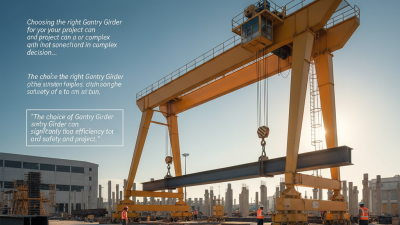
Understanding and using a Gantry Girder effectively is crucial for construction and engineering projects. These structures support various loads and enhance efficiency in managing heavy equipment. However, the complexity of a Gantry Girder can lead to challenges if not approached correctly.
In any construction setting, knowledge of the Gantry Girder's design and functionality is essential. Engineers and builders must consider load capacities, material strengths, and the specific projects at hand. Inadequate understanding may lead to safety issues or structural failures, which could be catastrophic.
Practical experience is invaluable when working with Gantry Girders. It offers insights that theoretical knowledge alone cannot provide. Recognizing common pitfalls can prevent costly mistakes. Proper usage ensures not only the longevity of the structure but also the safety of workers and equipment involved. Emphasizing realistic applications and attentive observation can greatly enhance effectiveness in the field.
Understanding the Basics of Gantry Girders and Their Applications
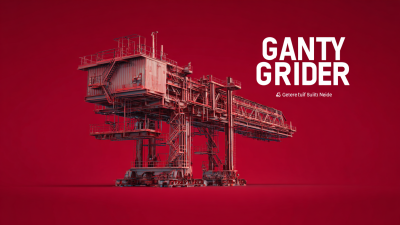
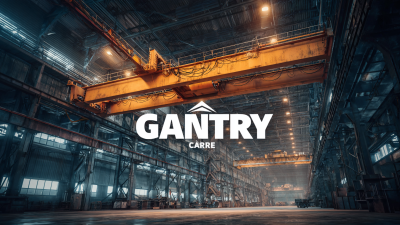
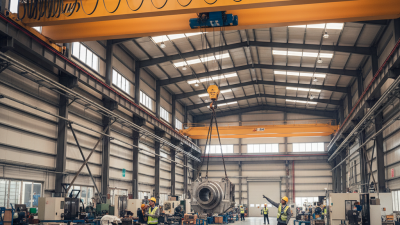
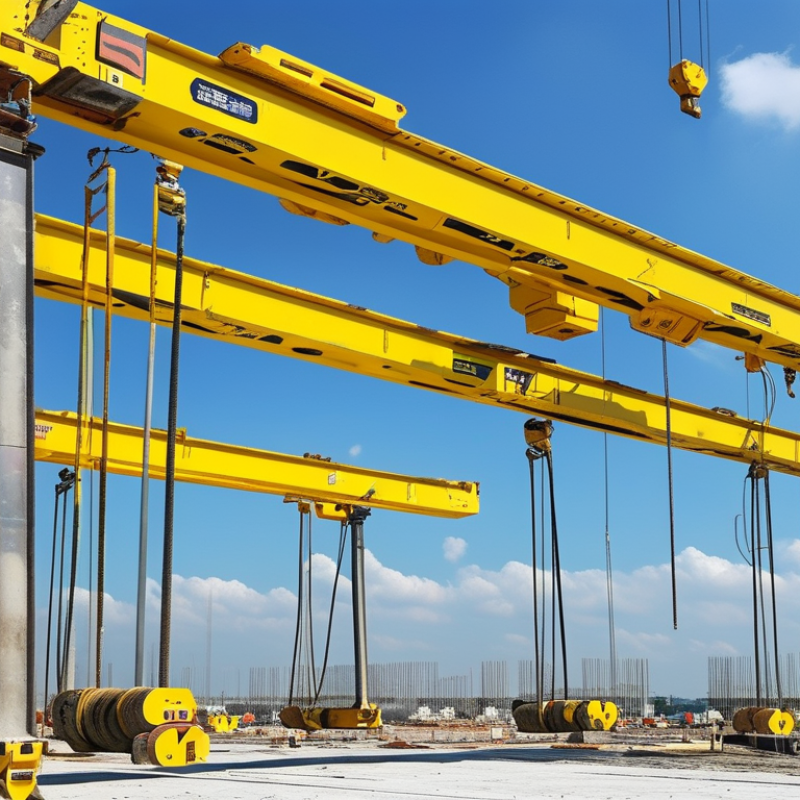
Gantry girders are crucial in various industrial applications. Understanding their basics can significantly enhance their effectiveness. A gantry girder is a framework that supports a traveling crane. It allows for heavy loads to be lifted and moved safely. Commonly found in warehouses and construction sites, these girders help improve workflow and efficiency.
When using gantry girders, consider the weight capacity. Each girder has a specific load limit. Overloading can lead to accidents or structural failures. Regular inspections are essential. Ensure that there are no visible signs of wear or damage. This practice increases safety and reliability.
Tips: Always check for proper alignment during installation. Misalignment can cause uneven load distribution, leading to potential hazards. Training operators is equally important. Understandhow to control the crane effectively. Inadequate training can result in costly mistakes. Reflect on your operations and make improvements where necessary. Always prioritize safety over speed.
Key Components and Materials Used in Gantry Girders
Gantry girders are essential in the construction and material handling industries. Understanding their key components and materials is crucial for effective use. Typically, gantry girders are constructed from steel or aluminum, which provide strength and durability. Steel is often preferred due to its high tensile strength and load-bearing capacity. In fact, structural steel can handle loads up to 50% more than aluminum, making it a go-to choice for heavy applications.
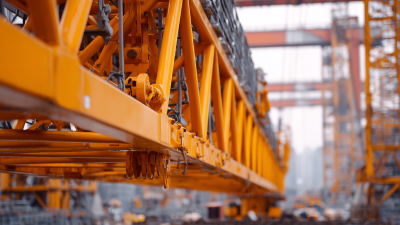
The design of a gantry girder involves several important components. These include the main girder, end trucks, and support legs. Each component must be engineered precisely to ensure stability. Inadequate design can lead to catastrophic failures. Reports indicate that nearly 30% of crane-related accidents stem from poor structural integrity. It's essential to assess the materials used in each component to maintain safety standards.
Additionally, the choice of materials affects the overall cost-effectiveness and lifespan of the gantry system. While steel is robust, it requires treatment to prevent corrosion. This adds to maintenance costs over time. On the other hand, aluminum is lighter and rust-resistant but may not offer the same load capacity. Balancing these factors is crucial. Thus, expertise in material selection is vital for effective gantry girder performance.
Factors to Consider When Designing a Gantry Girder
When designing a gantry girder, several critical factors must be considered to ensure optimal performance. First, load capacity is crucial. According to a recent industry report by the American Institute of Steel Construction (AISC), the design should accommodate expected loads, including dynamic forces. This requires precise calculations based on the materials used and the intended application.
Material selection is another important aspect. Steel remains the most widely used material for gantry girders due to its strength-to-weight ratio. However, newer materials like composite materials show promise in specific applications, reducing weight while maintaining strength. Both material choices impact not only the girder's performance but also its longevity and maintenance needs.
**Tip:** Always factor in environmental conditions during design. Factors like corrosion resistance are essential for outdoor installations.
Additionally, dimensions and proportions play a vital role. The height and width of the girder influence its ability to support loads without excessive deflection. A study showed that improper proportions could lead to unnecessary stress and fatigue. Engineers should pay attention to these details, as neglecting them can result in increased costs and reduced safety.
**Tip:** Regular inspections and assessments can identify potential weaknesses early.
The complexity of these considerations can be daunting, reminding designers to approach each project with care. Understanding the interplay of these factors can significantly enhance the effectiveness and reliability of a gantry girder.
How to Understand and Use a Gantry Girder Effectively? - Factors to Consider When Designing a Gantry Girder
| Factor |
Description |
Recommended Value |
| Material Type |
The material used for the girder which affects strength and weight. |
Steel or Aluminum |
| Load Capacity |
The maximum load that the girder can support safely. |
Up to 20 tons |
| Span Length |
The distance between supports of the girder. |
10 to 25 meters |
| Height of Girder |
Vertical height of the girder which influences stability. |
600 mm to 1000 mm |
| Deflection Limit |
Permissible deflection under load conditions to ensure structural integrity. |
L/150 |
| Finish Type |
Surface treatment to prevent corrosion and wear. |
Powder Coating |
| Connecting Hardware |
Components used to join different parts of the girder. |
High-strength bolts and welds |
Best Practices for Installing and Maintaining Gantry Girders
Installing and maintaining gantry girders requires careful planning and execution. Begin with a
thorough site assessment to ensure the ground can support the weight.
Soil type and load conditions play crucial roles in stability. Access to power sources for equipment is another important factor.
Choose materials that meet relevant engineering standards. This will enhance durability and safety.
Regular inspections are key to effective maintenance. Look for signs of
wear, rust, or deformation. These issues can indicate a need for repairs.
Keeping detailed logs can help track the girder's condition over time. Understanding the
load limits is vital to avoid complications.
It’s easy to overlook details. However, regular reviews can prevent costly failures.
Training staff on
safe operation practices is also essential. Proper techniques reduce risks associated with heavy loads.
Encourage a culture of safety, where employees feel empowered to report concerns. Reflecting on past incidents can improve future practices.
Continuous learning helps refine processes over time.
Investing in education is an often-neglected aspect of maintenance.
Safety Considerations and Guidelines for Gantry Girder Use
Understanding safety considerations in gantry girder use is paramount. The operation should always prioritize safety to prevent accidents and injuries. Regular inspections of the girder are essential. Check for any signs of wear or damage. This will enhance reliability during heavy lifting tasks. Operators should be trained adequately to handle the equipment. They must understand load limits and operating procedures thoroughly.
Tips for safe operation include maintaining a clear area under the girder. This minimizes risks for personnel. Ensure that all materials are properly secured before lifting. Use spotters when maneuvering to avoid collisions. It’s beneficial to conduct safety drills regularly. This prepares everyone for unexpected situations.
Another point to consider is environmental factors. Wind and weather can impact the stability of the gantry girder. Always assess conditions before operation. Heavy rainfall or strong winds can pose significant risks. Engage crew members in discussions about safety practices. This fosters a culture of responsibility. Remember, even small oversights can lead to major issues in a busy workspace.
Safety Considerations for Gantry Girder Use