What is Overhead Gantry Crane and How Does it Work?
In the realm of heavy lifting, the Overhead Gantry Crane stands out as a crucial tool. According to Dr. Emily Carter, a prominent engineer in the crane industry, "The Overhead Gantry Crane revolutionizes efficiency in material handling." This equipment is designed to lift and move materials with precision and power. Its unique structure enables operations across various environments, including warehouses and construction sites.
The functionality of the Overhead Gantry Crane lies in its simple yet effective design. It consists of a bridge that spans the width of an area, supported by a hoist mechanism. This setup allows it to traverse along tracks, smoothly lifting loads. Safety considerations are paramount, yet there can be challenges in operator training. This raises questions about how to ensure consistent operational excellence.
As industries seek to enhance productivity, the importance of the Overhead Gantry Crane cannot be ignored. Its role in logistics and construction is indispensable. However, as usage expands, it prompts a reflection on the need for continuous training and safety improvements. The balance between efficiency and safety is an ongoing challenge for professionals in the field.
What Are Overhead Gantry Cranes? An Overview of Their Design
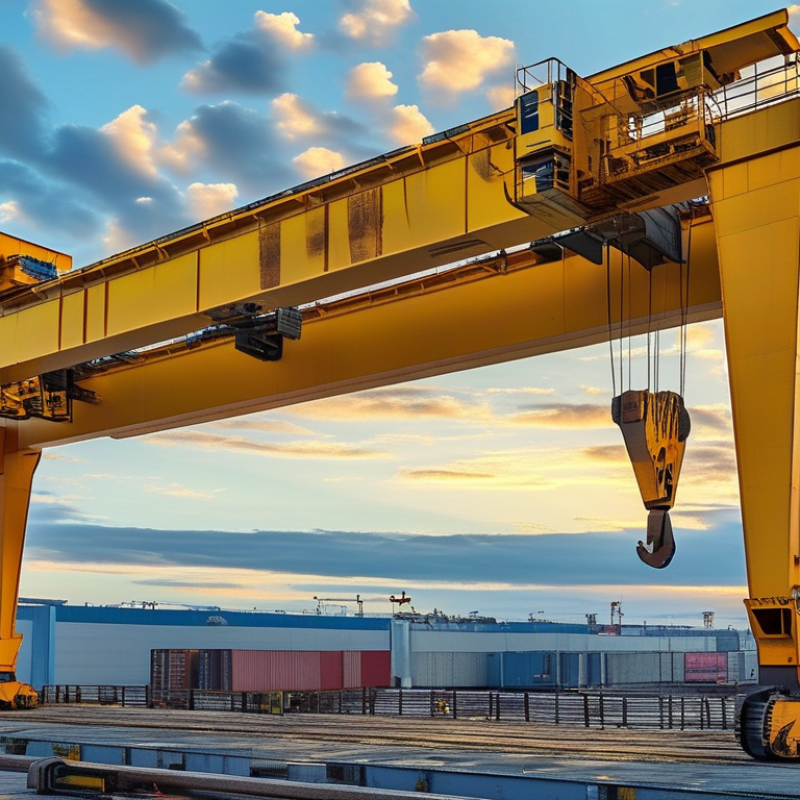
Overhead gantry cranes are critical tools in various industries. They operate on a rail system, enabling them to move heavy loads horizontally and vertically. Their design typically includes a bridge supported by two end trucks. This framework ensures stability while handling substantial weights. According to industry reports, these cranes can lift anywhere from a few tons to over 500 tons, depending on the model.
The materials used in constructing these cranes significantly impact their performance. Importantly, high-strength steel is commonly employed to enhance durability. Some innovative designs incorporate lightweight alloys, which improve efficiency. Maintenance is crucial; regular inspections can identify potential wear and tear. Ignoring small issues may lead to significant failures.
Control systems are another vital aspect of their design. Most cranes now feature advanced technologies that allow for precise movements. This precision reduces the risk of accidents, which have been reported in 10% of crane-related incidents. However, operator training is essential. Inadequate training can undermine the benefits of sophisticated systems. Investing in well-designed training programs is as important as the crane's technical specifications.
What is Overhead Gantry Crane and How Does it Work?
| Dimension |
Description |
| Loading Capacity |
Up to 100 tons, depending on the model |
| Span Length |
Typically ranges from 10 meters to 50 meters |
| Height Under Hook |
Variable, from 3 meters to 10 meters or more |
| Travel Speed |
Can range from 20 m/min to 120 m/min |
| Power Supply |
Typically powered by electric motors |
| Control Type |
Remote control, pendant control, or cabin control |
| Applications |
Used in warehouses, docks, manufacturing units, etc. |
Key Components of Overhead Gantry Cranes and Their Functions
Overhead gantry cranes are vital in various industries. They are designed to move heavy loads across a designated area. Key components play essential roles in this operation.
The bridge is the primary support structure, spanning the area where lifting occurs. It holds the hoist and trolley, which are responsible for lifting and moving the load. The hoist contains a motor that drives the lifting mechanism. Trolleys glide along the bridge, allowing precise movement of materials.
Consider the wheels on the gantry. They should be inspected regularly for wear and tear. A faulty wheel can hinder movement and lead to inefficiencies. Proper maintenance is crucial for ensuring safe operation.
Another critical aspect is the power supply. An unstable power source can disrupt the crane's functionality. Implementing backup systems can prevent unexpected downtimes. Additionally, training operators thoroughly ensures safety and effectiveness in using these cranes.
Operation Mechanisms: How Overhead Gantry Cranes Lift and Move Loads
Overhead gantry cranes are vital for industries that require heavy lifting. Their operation depends on various mechanisms to move and lift loads. The primary components are the bridge, hoist, and trolley. The bridge spans the workspace and supports the hoist, which is attached to the trolley. With the ability to move along the bridge, the hoist effectively raises and lowers the load. Reports indicate that these cranes can lift weights exceeding 1,000 tons, depending on the design.
Gantry cranes utilize electric motors for both the trolley movement and hoist operations. A controlled system of pulleys and gears is employed to ensure efficient lifting. Safety mechanisms, such as limit switches, play a crucial role in preventing overloading. Research shows that improper use can lead to accidents and equipment damage. Continuous training is essential to minimize risks.
In structural design, materials like steel are standard for enhanced strength. However, not all facilities can accommodate such equipment. The crane's height and capacity must align with operational needs, yet some industries overlook this. These oversights can affect productivity and safety. Regular inspections and updates are also necessary to maintain crane functionalities and mitigate potential failures.
Industry Applications: Where Overhead Gantry Cranes Are Most Commonly Used
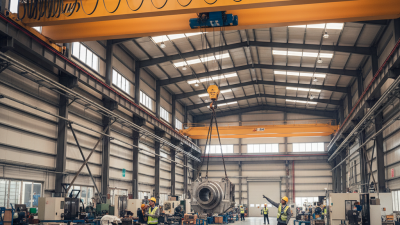
Overhead gantry cranes are vital in various industries. They optimize material movement in workshops, warehouses, and construction sites. These cranes are particularly effective in environments where space is limited. Their design allows for efficient lifting and transporting of heavy loads.
In manufacturing, overhead gantry cranes streamline production. They reduce manual labor and minimize workplace injuries. Factories often rely on these cranes to move components quickly between different areas. This ensures a smoother workflow. In construction, they transport large building materials. This can improve efficiency on job sites. However, improper handling can lead to accidents and delays.
In ports, overhead gantry cranes operate container loads efficiently. They allow for rapid loading and unloading of ships. This is crucial in maintaining the supply chain. Despite their advantages, there are challenges. Training personnel is essential for safe crane operation. Ensuring regular maintenance can prevent costly breakdowns. Facilities may struggle with the initial investment. But, the long-term benefits often outweigh these concerns.
Safety Standards and Regulations for Overhead Gantry Cranes in the Workplace
Overhead gantry cranes are crucial in many workplaces. However, safety standards play a vital role in their operation. Regulatory bodies set guidelines to ensure safe usage. Compliance with these standards protects workers from potential hazards.
Safety standards include regular inspections and maintenance schedules. Cranes must be inspected daily for wear and tear. Operators receive training on how to handle these machines. This training often covers load limits and emergency procedures. Awareness of surroundings is also essential. Crew members must be vigilant to avoid accidents.
Employers must ensure clear communication among team members. Using hand signals and radios can aid in this process. However, in busy environments, miscommunication can happen. This adds risks that everyone must acknowledge. A culture of safety is imperative. Workers must feel empowered to speak up about unsafe conditions. Ensuring safety not only upholds regulations but also fosters a productive work environment.
Overhead Gantry Crane Usage and Safety Compliance